

In a project that has alarmed Bangladesh and India, Chinese officials have started building what would be the biggest hydropower dam in the world on Tibetan territory.
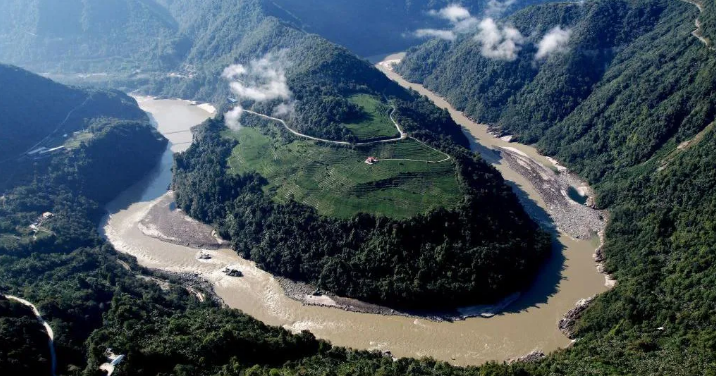
According to local media, Chinese Premier Li Qiang presided over a ceremony on Saturday to officially launch construction on the Yarlung Tsangpo river.
The Tibetan plateau is traversed by the river. The project has drawn controversy due to its possible effects on the local Tibetan population, the environment, and millions of Indians and Bangladeshis living downstream.
Beijing claims that the plan, which is expected to cost 1.2 trillion yuan ($167 billion; £125 billion), will prioritize environmental preservation and increase local wealth.
The project, also called the Motuo Hydropower Station, has the potential to produce three times as much energy as the Three Gorges dam and will surpass it as the largest dam in the world when it is finished.
Concerns have been raised by experts and officials that the new dam will give China the ability to control or reroute the trans-border Yarlung Tsangpo, which flows south into Bangladesh and India’s Arunachal Pradesh and Assam states before feeding into the Siang, Brahmaputra, and Jamuna rivers.
According to a 2020 analysis by the Australian think tank Lowy Institute, “China essentially chokeholds India’s economy through control over these rivers [on the Tibetan Plateau].”
Arunachal Pradesh chief minister Pema Khandu voiced worries that the Siang and Brahmaputra would “dry up drastically” after the dam was finished in an interview with news agency PTI earlier this month.
“The dam will pose an existential danger to our communities and our livelihoods,” he continued. China might potentially deploy this as a kind of “water bomb,” which makes it extremely serious.
“Our entire Siang belt would be destroyed if the dam were constructed and water were to suddenly be released,” he stated. “All of their property, land, and most importantly, human life, would suffer terrible impacts, especially for the Adi tribe and comparable communities.”
A spokesman for India’s external affairs ministry stated in January that the country had warned China about the effects of mega-dams and asked Beijing to “ensure the interests of downstream states” were not harmed. The “need for transparency and consultation with downstream countries” was another point they had made.
In order to minimize flooding in their areas and serve as a buffer against unexpected water discharges from China’s dam, India intends to construct a hydropower dam on the Siang River.
In 2020, China’s foreign ministry reacted to India by stating that it has a “legal right” to dam the river and has taken downstream effects into account.
In February, authorities from Bangladesh sent a letter to Beijing asking for more details about the dam, expressing worries over the project.