


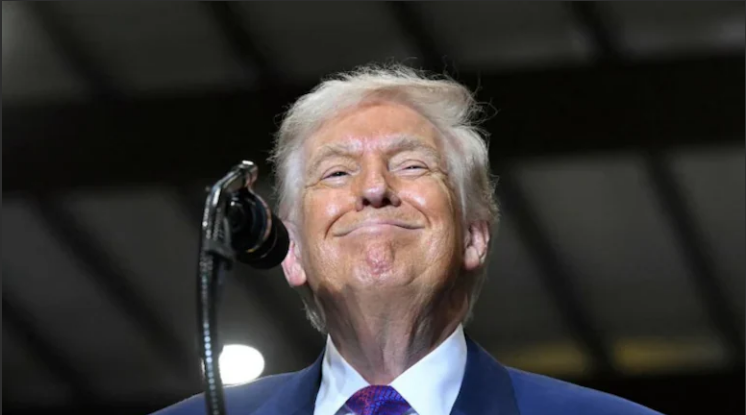
Donald Trump has signed an executive order imposing a 10% global tariff on a broad range of imported goods, describing the move as the beginning of a major economic “adjustment.” The decision comes shortly after a setback in the U.S. top court related to trade authority, prompting the administration to push forward with a revised tariff strategy.
According to officials, the new tariff will apply to most foreign imports entering the United States. Trump stated that the measure is designed to protect American industries, reduce trade imbalances, and encourage domestic manufacturing. He emphasized that for years, the U.S. has faced unfair trade practices that have harmed local businesses and workers.
Supporters of the policy argue that the tariff could strengthen American production and create more jobs by making imported goods less competitive compared to domestically produced items. They see it as a continuation of a broader economic strategy focused on prioritizing national interests and boosting industrial growth.
However, critics warn that the 10% tariff may lead to higher prices for consumers, especially for products such as electronics, machinery, and consumer goods that rely heavily on global supply chains. Trade analysts have also raised concerns about potential retaliatory measures from other countries, which could escalate trade tensions.
Financial markets are closely monitoring the situation, as the policy could have significant implications for global trade flows and international economic relations. Experts say the coming weeks will be crucial in determining how other nations respond and how the new tariff structure reshapes global commerce.