

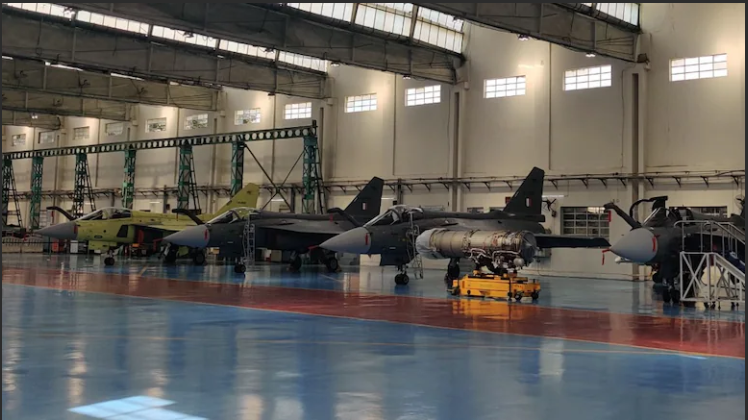
A recent development involving India’s indigenous fighter aircraft programme has brought renewed attention to quality control and supplier accountability in the defence manufacturing sector. Hindustan Aeronautics Limited (HAL), the country’s leading aerospace and defence company, has initiated legal action against a private supplier over allegations related to the submission of forged quality certification documents during the supply of aircraft components for the Tejas Mk-1A programme.
The case has sparked discussions across the defence industry, with experts emphasizing the importance of maintaining strict quality standards in projects that directly contribute to national security and military preparedness.
Significance of the Tejas Mk-1A Programme
The Tejas Mk-1A fighter aircraft is one of India’s most important indigenous defence projects. Developed as part of the country’s effort to strengthen self-reliance in defence manufacturing, the aircraft is designed to enhance the operational capabilities of the Indian Air Force while reducing dependence on imported military equipment.
The programme represents years of research, engineering, and technological advancement. Every component used in the aircraft must meet rigorous safety and performance requirements to ensure reliability in demanding operational conditions.
Because of the critical nature of military aviation, even minor deviations from established quality standards can become a serious concern during manufacturing and supply processes.
How the Issue Came to Light
According to information available from the investigation, HAL had issued multiple purchase orders to a private supplier for the manufacture and supply of components related to the Tejas Mk-1A programme.
As part of standard procurement procedures, suppliers are required to provide original test certificates and technical reports confirming that the components meet specified quality and performance standards. These reports generally include assessments of material strength, hardness, structural integrity, corrosion resistance, and other technical parameters.
During a subsequent verification process, HAL’s quality control teams reportedly reviewed a large number of submitted test reports and sought independent confirmation from the testing agency whose name appeared on the documents.
The verification exercise allegedly revealed discrepancies, prompting a more detailed internal review.
Importance of Quality Assurance in Defence Manufacturing
Quality assurance is considered one of the most critical aspects of defence production. Aircraft components undergo extensive testing before they are approved for installation and operational use.
Experts note that military aircraft operate under extreme conditions, including high speeds, temperature variations, and significant structural stress. As a result, every part must comply with strict technical specifications.
Testing and certification documents play an essential role in confirming that materials and components meet required standards. Verification mechanisms are designed to identify potential issues before equipment enters service.
Industry analysts say that robust quality assurance systems are necessary not only for operational safety but also for maintaining confidence in indigenous defence programmes.
HAL’s Response
Following its internal review, HAL reportedly initiated administrative and legal measures against the supplier involved in the case. The company has emphasized its commitment to maintaining strict procurement standards and ensuring that all suppliers comply with established quality requirements.
The organization also indicated that internal audits, technical reviews, and administrative procedures were completed before the matter was referred for legal action.
Officials have reiterated that quality assurance remains a top priority across all defence manufacturing projects undertaken by the company.
Broader Implications for the Defence Sector
The case has highlighted the growing importance of supply chain governance as India’s defence manufacturing ecosystem expands. In recent years, both public and private sector companies have become increasingly involved in producing components and systems for major defence programmes.
Industry experts believe that stronger auditing systems, supplier verification mechanisms, and periodic compliance checks will become even more important as domestic production continues to grow.
They also note that transparency and accountability throughout the supply chain are essential for ensuring the long-term success of India’s defence modernization efforts.
Supporting the Vision of Self-Reliance
India’s push toward defence self-reliance under various indigenous manufacturing initiatives has significantly increased domestic participation in aerospace and military production. Programmes such as Tejas have become symbols of the country’s technological progress and industrial capability.
Experts say that maintaining high standards of quality and compliance is crucial for protecting the credibility of these initiatives. Swift action against any alleged irregularities helps reinforce confidence in India’s defence manufacturing framework and demonstrates a commitment to international best practices.
Investigation Continues
Authorities are continuing to examine documents, records, and technical evidence related to the case. Further findings are expected as the investigation progresses.