

The ongoing conflict in the Middle East has entered a critical phase, raising concerns across the world about regional stability and global energy supplies. Over the past several days, reports of missile strikes, damaged oil tankers, and heightened military activity have drawn international attention to the situation. Experts warn that if the tension continues to escalate, it could have significant consequences for global trade and energy markets.
At the center of the crisis is Iran, which has been involved in rising geopolitical tensions with opposing forces in the region. The situation has grown increasingly complex as multiple groups and nations monitor developments closely. Recent incidents involving missile launches and military responses have intensified fears of a broader regional conflict.
One of the biggest concerns for the global economy is the potential disruption to key maritime routes. In particular, the Strait of Hormuz has become a focal point of concern. This narrow waterway connects the Persian Gulf to the Arabian Sea and is one of the most important oil transit routes in the world. A significant portion of the world’s oil supply passes through this route every day.
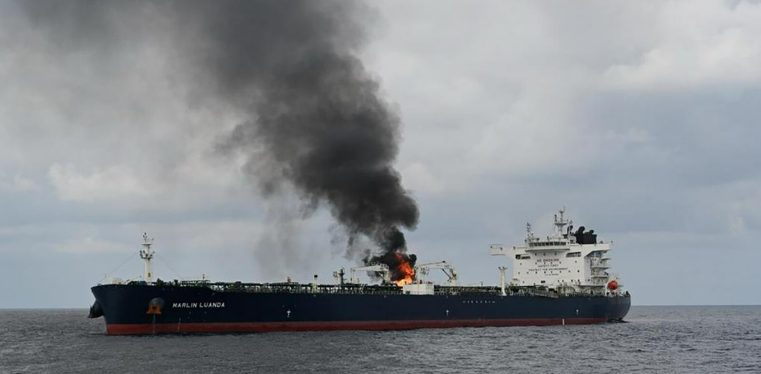
Due to rising security risks in the area, several shipping companies have begun reviewing their routes and safety protocols. Some oil tankers have reportedly been damaged or forced to alter their paths because of the ongoing hostilities. Insurance costs for ships operating in the region have also increased as companies assess the growing risks.
The conflict has already begun to influence global oil markets. International crude oil prices have shown noticeable fluctuations, with analysts linking the volatility directly to developments in the Middle East. If the conflict escalates further or disrupts major oil transportation routes, energy prices could rise even more, potentially affecting fuel costs and inflation in many countries.
Governments and international organizations are closely monitoring the situation. Diplomatic efforts are underway in several capitals to encourage dialogue and prevent further escalation. Many global leaders have urged restraint from all sides and emphasized the importance of resolving disputes through negotiation rather than military action.
Security experts believe the coming days will be crucial in determining the direction of the conflict. If tensions decrease, markets may stabilize and fears of supply disruption could ease. However, if the situation intensifies, the impact could extend far beyond the Middle East, affecting global energy security and economic stability.