

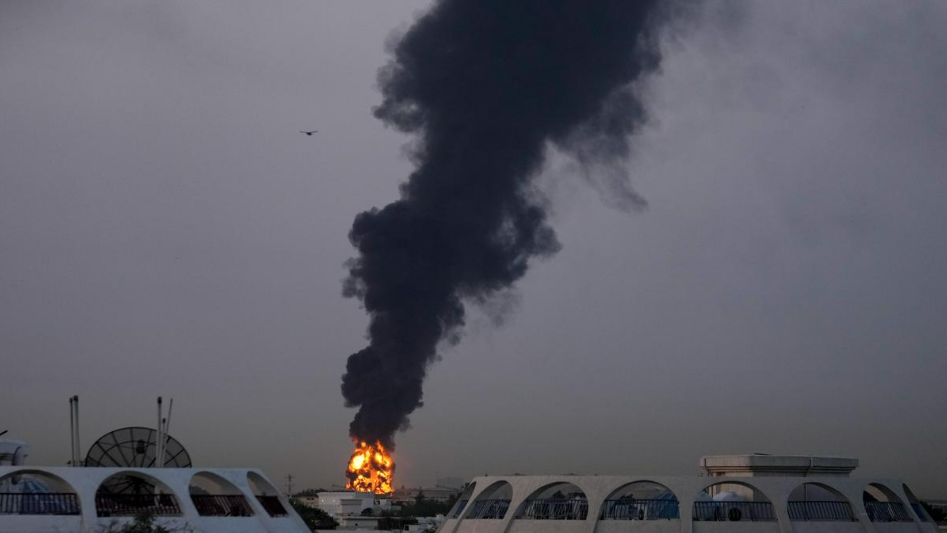
Rising tensions in the Middle East have sparked fresh concerns over global energy security, following recent incidents near Fujairah. An oil tanker was reportedly struck by an “unknown projectile” about 23 nautical miles off the coast, while a fire broke out in the Fujairah Oil Industry Zone, allegedly linked to a drone attack. Although no casualties were reported, the developments have raised alarms across international markets.
Fujairah is one of the world’s key oil storage and shipping hubs, playing a crucial role in the global supply chain of crude oil and petroleum products. Any disruption in this region has the potential to impact energy flows worldwide. Analysts warn that even limited damage or perceived risk can trigger volatility in oil prices and create uncertainty among investors.
The situation is further complicated by the ongoing conflict between Iran and Israel, with both sides reportedly engaging in a fresh wave of strikes. The expanding scope of hostilities has heightened fears that critical infrastructure, including ports, refineries, and shipping routes, could become targets.
Shipping companies operating in the Gulf region have been advised to exercise extreme caution. Maritime security agencies have increased surveillance and issued alerts to vessels, urging them to follow designated safe corridors and report any suspicious activity immediately. Insurance costs for cargo shipments in the region are also expected to rise if the situation deteriorates further.
Energy experts note that prolonged instability in the Gulf could lead to supply disruptions, forcing countries to look for alternative sources or dip into strategic reserves. For oil-importing nations, this could translate into higher fuel costs and inflationary pressure on domestic economies.
Meanwhile, governments across the world are closely monitoring developments. Several countries have issued travel advisories for the Gulf region, while international organizations have called for restraint and de-escalation to prevent a broader conflict.
Despite the absence of casualties in the recent incidents, the symbolic and strategic importance of the targets has amplified global concern. The events underscore how quickly regional conflicts can ripple across international markets, affecting everything from energy prices to trade stability.