

The recent US airstrikes on underground Iranian missile facilities near the Strait of Hormuz have significantly escalated tensions in the Middle East, prompting urgent diplomatic efforts to prevent a larger conflict. As both nations exchange strong statements, the global community is increasingly concerned about the potential consequences of further escalation.
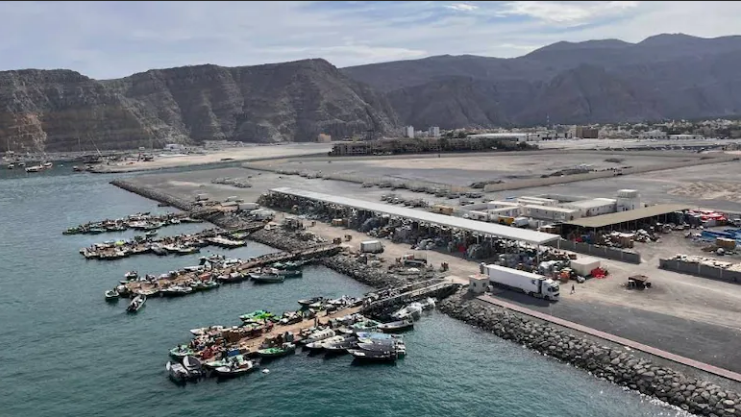
According to reports, the United States targeted deeply buried missile infrastructure using advanced “bunker buster” bombs capable of penetrating fortified underground sites. The operation was reportedly aimed at neutralizing threats to international shipping routes, particularly oil tankers passing through the strategically crucial Strait of Hormuz.
In response, Iran has strongly condemned the strikes, calling them a violation of its sovereignty and international law. Iranian officials have warned of a possible retaliation, raising fears of a direct military confrontation between the two countries. This has put the entire Gulf region on high alert, with increased military movements being observed on both sides.
Amid these developments, diplomatic channels have become highly active. Several countries, along with international organizations, have called for restraint and urged both sides to avoid further military actions. The United Nations has emphasized the importance of dialogue, warning that even a minor miscalculation could trigger a wider regional conflict.
Some nations have also offered to mediate between the US and Iran, hoping to de-escalate the situation through negotiations. However, experts believe that the current atmosphere of mistrust and heightened tensions could make diplomatic breakthroughs difficult in the short term.
The situation is particularly concerning due to the strategic importance of the Strait of Hormuz, a key global energy corridor through which a significant portion of the world’s oil supply passes. Any disruption in this region could impact global oil prices, trade flows, and economic stability.
For countries dependent on energy imports, including many in Asia, the developments are being closely monitored. Governments are assessing potential risks and preparing contingency plans in case the situation worsens.
Military analysts suggest that while the US has described its actions as defensive and necessary for maritime security, Iran may feel compelled to respond in order to maintain its strategic position and deterrence credibility. This increases the risk of a cycle of action and retaliation.
At the same time, global markets have started reacting to the uncertainty. Oil prices have shown signs of volatility, and investors are closely watching geopolitical developments. Businesses involved in shipping and logistics are also considering alternative routes and enhanced security measures.