

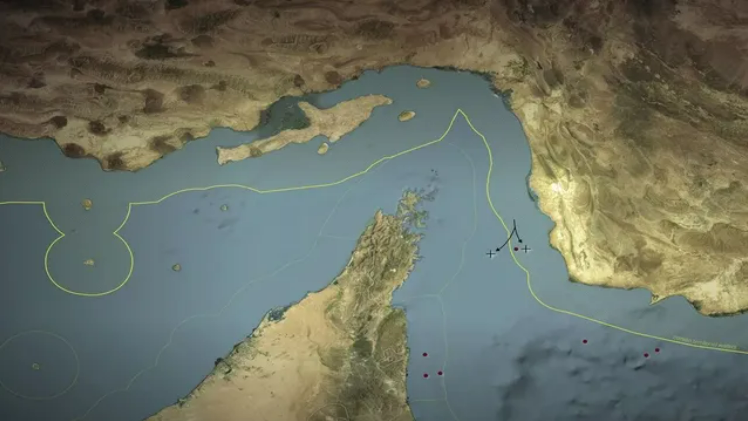
Amid escalating tensions in the Middle East, Iran has introduced a “safe shipping corridor” for its allied nations, aiming to ensure secure maritime movement in a region increasingly affected by conflict. The initiative comes as a significant relief for global trade, especially after several Indian vessels successfully navigated through this protected route without incident.
The development is being seen as a strategic response to the growing instability in the Gulf region, where repeated reports of drone attacks, missile threats, and naval confrontations have raised serious concerns over the safety of commercial shipping. With maritime routes under potential threat, the launch of a designated safe corridor is expected to reduce risks for cargo vessels and maintain the flow of essential goods.
A Critical Move for Global Trade
The safe shipping corridor is designed to provide a monitored and relatively secure path for vessels passing through sensitive waters. Iranian authorities have reportedly enhanced surveillance and deployed additional resources to ensure that ships traveling through this route are protected from potential threats.
This move holds particular importance for key global trade routes, especially near the Strait of Hormuz—one of the world’s most crucial oil transit chokepoints. A significant portion of global energy supplies passes through this narrow waterway, making its security vital not just for regional players but for the global economy as a whole.
Relief for India and Other Import-Dependent Nations
For India, the development carries major economic significance. As a country heavily dependent on energy imports from the Gulf, any disruption in maritime routes can have a direct impact on fuel prices, industrial activity, and overall economic stability.
Reports indicating that Indian ships have already used the corridor safely provide a strong sense of reassurance. It suggests that despite ongoing tensions, essential trade operations can continue with reduced risk.
Strategic and Diplomatic Significance
Experts believe that Iran’s move goes beyond immediate security concerns. By establishing this corridor, Tehran is also sending a diplomatic signal—positioning itself as a responsible regional player capable of ensuring stability for its partners even during conflict.
At the same time, the initiative may help Iran strengthen ties with friendly nations and reinforce its influence in the region’s geopolitical landscape.
Challenges and Uncertainty Ahead
Despite the positive outlook, analysts caution that the corridor is not a permanent solution. The broader regional situation remains volatile, and any escalation in conflict could still pose risks to maritime operations.