

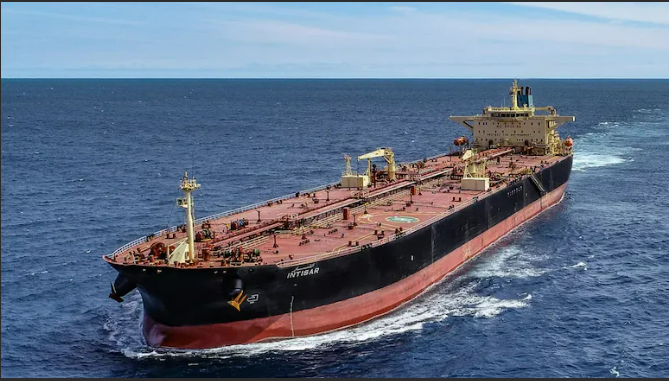
In a significant development for global energy markets, India has resumed crude oil imports from Iran after a gap of nearly seven years. The move comes amid ongoing volatility in international oil prices and growing concerns over supply disruptions due to geopolitical tensions. Notably, officials indicate that the latest transactions faced no major payment hurdles, marking a shift from earlier challenges that had forced India to halt imports.
According to industry sources, select Indian refineries have recently secured limited shipments of Iranian crude. While the volumes remain modest for now, the development is being closely watched as a potential sign of deeper energy cooperation between the two countries in the coming months. Analysts suggest that if the arrangement proves sustainable, India could gradually scale up imports from Iran.
India had previously stopped importing Iranian oil in 2018 after the United States imposed stringent sanctions on Tehran. These restrictions complicated not only trade logistics but also financial transactions, as global banking channels became inaccessible for payments related to Iranian oil. India had experimented with alternative payment mechanisms, including rupee-based trade, but these systems eventually proved insufficient to maintain steady imports.
The current resumption indicates that both countries may have found more flexible and viable payment solutions. Though details of the mechanism remain undisclosed, experts believe that non-traditional channels or currency arrangements could be playing a role in facilitating smoother transactions this time.
From an economic perspective, Iranian oil offers several advantages to India. Tehran has historically provided crude at competitive prices, often accompanied by favorable credit terms and discounts. Additionally, Iran’s geographical proximity helps reduce shipping time and transportation costs, making it an attractive option for Indian refiners seeking cost efficiency.
Energy security is another key factor driving this decision. As one of the world’s largest oil importers, India relies heavily on external sources to meet its growing energy demand. Diversifying its supplier base is critical to minimizing risks associated with over-dependence on a limited number of countries. Reintroducing Iran into the supply mix enhances India’s strategic flexibility in managing its energy needs.
However, the move also carries diplomatic sensitivities. The United States and its allies have maintained a cautious stance regarding trade with Iran due to ongoing sanctions and geopolitical concerns. India will need to carefully navigate these international dynamics to ensure that its broader foreign policy interests remain intact.
Despite these challenges, the resumption of Iranian oil imports is being viewed as a pragmatic step aligned with India’s long-term energy strategy. It reflects a balanced approach that prioritizes economic interests while adapting to evolving global realities.