


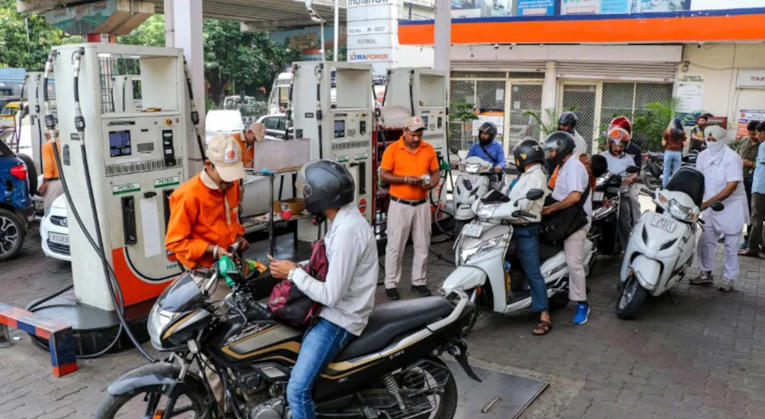
The continued increase in petrol and diesel prices across the country has begun affecting household expenses, transportation costs and small businesses, raising concerns about inflation and economic pressure on consumers. With fuel prices revised upward for the second time within a week, many sectors are now preparing for a possible rise in operational costs.
The latest increase comes at a time when global crude oil markets remain volatile due to ongoing geopolitical tensions in West Asia. Energy experts say uncertainty surrounding international oil supply routes has pushed up crude prices, directly impacting countries that depend heavily on imported fuel, including India.
Following the latest revision, petrol and diesel prices have increased in major metropolitan cities as well as several smaller urban centres. The hike is expected to affect millions of daily commuters, commercial vehicle operators and logistics companies.
Economic analysts say rising fuel prices often have a chain reaction on the broader economy. As transportation becomes more expensive, the cost of delivering food items, consumer products and industrial goods also increases. This eventually affects retail prices and adds pressure on inflation.
Transport operators and small traders have already expressed concern over the repeated hikes. Delivery businesses, taxi operators, bus services and freight transport companies are likely to face higher expenses in the coming weeks. Some transport associations have hinted that passenger fares and freight charges may need revision if fuel prices continue to rise.
Experts believe global oil market instability remains one of the biggest reasons behind the increase. Tensions in the Middle East, concerns over shipping routes and fluctuations in international crude prices have created uncertainty across energy markets worldwide.
India imports a major share of its crude oil requirements, making domestic fuel pricing highly sensitive to international developments. Analysts say oil marketing companies had been absorbing a part of the increased costs for several weeks before revising retail prices.
Another factor contributing to the fuel price increase is the weakening of the Indian rupee against the US dollar. Since crude oil purchases are made in dollars, a weaker rupee increases import costs for energy companies. Economists say this puts additional pressure on fuel pricing and overall trade expenses.
The impact of rising fuel prices is not limited to private vehicle owners. Public transportation systems, agricultural operations and industrial sectors also depend heavily on diesel and petroleum products. Increased fuel expenses can therefore influence multiple areas of the economy simultaneously.
Market experts warn that if crude oil prices remain elevated globally, inflationary pressure may continue in the coming months. Higher transportation and manufacturing costs could affect the prices of essential commodities, including food and household products.
Many consumers have also expressed concern over increasing monthly expenses. Daily commuters who rely on private vehicles are expected to spend significantly more on fuel, while middle-class families may face tighter household budgets as transportation and commodity prices rise together.
The situation has renewed discussions around long-term energy strategies in India. Experts say reducing dependence on imported fossil fuels will be crucial in the future. The government has already been promoting electric vehicles, renewable energy projects and public transportation as part of broader energy diversification efforts.
Energy analysts believe investment in solar power, green hydrogen and cleaner transport systems could help reduce vulnerability to international oil market shocks over time.
For now, however, fuel prices remain closely tied to global crude trends and geopolitical developments. Consumers and businesses alike are watching international markets carefully, hoping for stability in oil prices and relief from rising costs.