

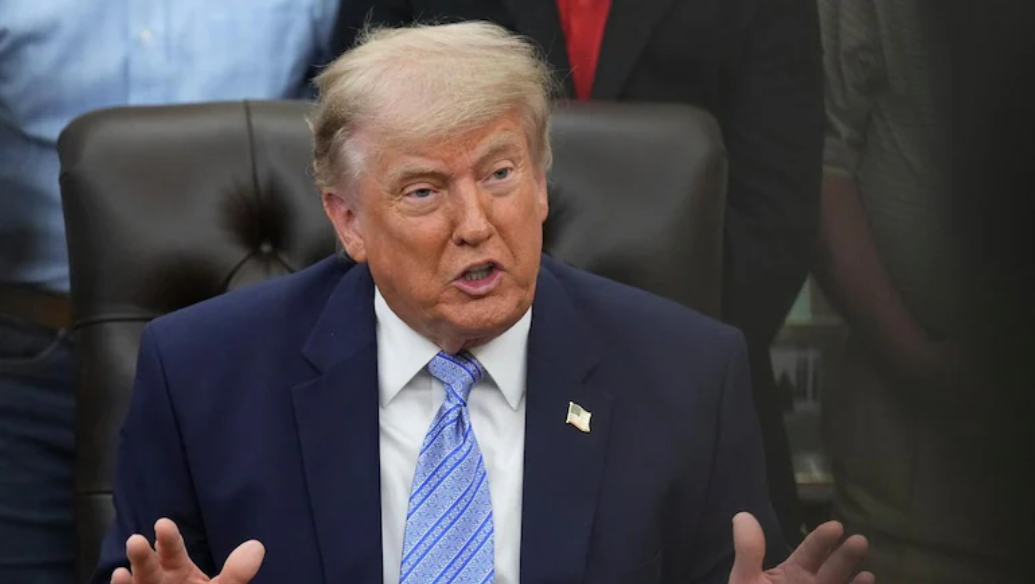
As tensions in the Middle East continue to shape international politics, ongoing diplomatic engagement between the United States and Iran has become a focal point of global attention. While both sides have signaled interest in reducing tensions and exploring pathways toward stability, uncertainty remains over whether negotiations can produce a lasting breakthrough.
The conflict and political standoff, which have influenced regional security dynamics for months, have raised concerns among governments, investors, and international organizations. Analysts believe that any meaningful progress in US-Iran relations could have implications far beyond the two countries, affecting energy markets, trade routes, and broader geopolitical stability.
Diplomatic observers note that recent discussions have reflected a combination of cautious optimism and persistent disagreements. While officials have indicated that communication channels remain open, several key issues continue to complicate the negotiation process. These include security concerns, regional influence, economic restrictions, and long-standing strategic disputes that have defined relations between the two nations for decades.
Experts argue that one of the biggest challenges facing negotiators is the deep trust deficit that has accumulated over years of political confrontation. Previous rounds of negotiations have often produced temporary progress, only to be followed by renewed disagreements. As a result, both governments appear to be approaching the current talks with a high degree of caution.
The international community is closely monitoring developments because of the potential impact on global economic conditions. Energy markets, in particular, remain sensitive to developments in the Middle East. The region plays a crucial role in global oil and gas supplies, and any escalation or de-escalation of tensions can influence prices and market confidence worldwide.
Financial analysts say investors are responding not only to official statements but also to shifts in diplomatic rhetoric. Every indication of progress tends to boost market sentiment, while reports of disagreement often lead to renewed uncertainty. This has created a situation where expectations can change rapidly based on developments emerging from the negotiations.
Regional governments have also expressed support for dialogue and peaceful engagement. Many countries in the Middle East view stability as essential for economic growth, investment, and long-term development. Ongoing tensions have the potential to disrupt trade, affect tourism, and create challenges for regional cooperation initiatives.
Security experts emphasize that diplomacy remains the most viable path toward reducing risks in the region. They argue that military confrontation would carry significant consequences not only for the countries directly involved but also for neighboring states and international partners. As a result, there is strong interest among global stakeholders in seeing negotiations continue.
At the same time, observers caution against expecting immediate results. Complex diplomatic disputes often require extended negotiations, confidence-building measures, and gradual implementation of agreements. Even if progress is made, experts believe it could take considerable time before tangible outcomes become visible.
Public sentiment in many parts of the region also reflects a desire for stability. Communities affected by uncertainty and economic pressures are hoping that diplomatic efforts can help reduce tensions and create a more predictable future. For many citizens, the ultimate goal is not political victory for either side but a reduction in conflict and the opportunity for economic and social progress.