

The recent tensions and military confrontations in the Middle East have highlighted India’s growing influence as a diplomatic power capable of maintaining relationships with competing nations while safeguarding its own interests. As the region witnessed escalating hostilities, disruptions to trade routes, and concerns over energy security, India adopted a cautious yet proactive approach that has drawn attention from international observers.
For India, the Middle East is far more than a geopolitical concern. The region is a critical source of energy supplies, a major trading partner, and home to millions of Indian expatriates. Any instability in the Gulf directly affects India’s economy, energy requirements, and the welfare of its citizens working abroad. This reality made the crisis one of the most significant foreign policy challenges India has faced in recent years.
Throughout the period of uncertainty, Indian policymakers focused on maintaining open communication with all major stakeholders in the region. Rather than taking sides, India consistently called for restraint, dialogue, and peaceful resolution of disputes. This approach allowed New Delhi to preserve strong ties with countries that often find themselves on opposing sides of regional conflicts.
Foreign policy experts believe that India’s ability to engage simultaneously with Israel, Iran, Saudi Arabia, the United Arab Emirates, and the United States demonstrates the maturity of its diplomatic strategy. Unlike traditional alliance-based approaches, India’s foreign policy increasingly emphasizes strategic autonomy, allowing the country to pursue partnerships based on national interests rather than ideological alignment.
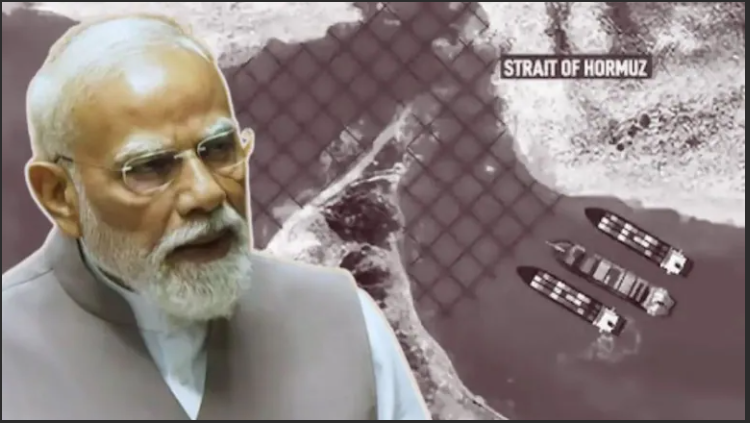
One of the key concerns during the crisis was the safety of maritime trade routes. The Strait of Hormuz, through which a significant portion of the world’s oil supply passes, remained at the center of global attention. Any prolonged disruption could have triggered major economic consequences for oil-importing nations, including India. In response, Indian authorities closely monitored developments and worked through diplomatic channels to ensure that energy supplies remained stable.
The crisis also underscored the importance of diversifying trade and transportation networks. Analysts argue that recent events have reinforced India’s interest in alternative connectivity projects linking Asia, the Middle East, and Europe. Such initiatives could reduce dependence on vulnerable maritime chokepoints and improve long-term economic resilience.
Another important aspect of India’s response was its focus on the welfare of Indian citizens living and working in the Gulf region. Government agencies and diplomatic missions remained in close contact with local authorities, issuing advisories and preparing contingency plans if conditions deteriorated. The protection of overseas Indians has increasingly become a central component of India’s foreign policy, particularly in regions affected by conflict.
Economic considerations also played a major role in shaping India’s approach. Rising oil prices and disruptions to global supply chains have the potential to affect inflation, industrial production, and overall economic growth. By maintaining constructive relations with multiple regional powers, India was able to navigate the uncertainty without significantly compromising its energy and trade interests.
Experts note that the crisis demonstrated how India’s diplomatic influence has evolved over the past decade. The country is no longer viewed solely as a regional actor but as an important stakeholder in global affairs. Its ability to engage with rival powers, advocate dialogue, and protect its national interests has enhanced its reputation as a reliable and independent voice on the international stage.
As the Middle East gradually moves toward a more stable phase, India’s balanced approach is being seen as a successful example of modern diplomacy. By prioritizing national interests while maintaining relationships across political divides, New Delhi has strengthened its position as a credible partner for countries throughout the region.