

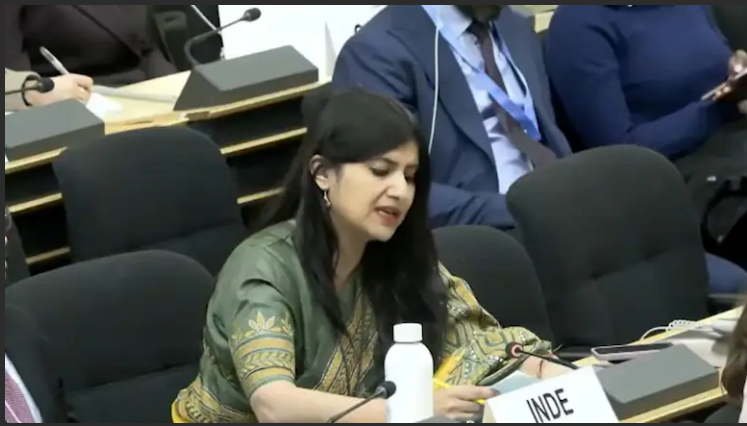
New Delhi: The Indian government has sparked fresh debate after stating that the development budget allocated to Jammu and Kashmir exceeds the financial assistance package received by Pakistan from the International Monetary Fund (IMF). The remark is being viewed as a pointed response amid continuing diplomatic tensions between the two neighboring countries.
According to official sources, substantial funds have been directed toward infrastructure, healthcare, education, road connectivity, and digital expansion in Jammu and Kashmir. The government maintains that the objective is to accelerate long-term economic growth, create employment opportunities, and improve the overall quality of life for residents in the region.
Officials emphasized that Jammu and Kashmir is an integral part of India and that its development remains a top national priority. Over the past few years, several large-scale projects have reportedly been launched, including highway expansions, railway connectivity upgrades, and investments in tourism infrastructure. The administration argues that these initiatives are designed to bring stability and attract private investment.
The comparison with Pakistan’s IMF bailout has added a political dimension to the discussion. Pakistan has faced recurring economic challenges, including high inflation, foreign exchange shortages, and mounting external debt. As a result, it has sought financial support from international lending institutions multiple times. Analysts note that India’s statement appears aimed at highlighting contrasting economic narratives between the two countries.
Economic observers point out that while headline figures can generate political messaging, the real measure of progress lies in implementation and tangible outcomes on the ground. They stress that sustainable development depends not only on the size of the allocation but also on efficient utilization, transparency, and measurable improvements in employment and public services.
Opposition leaders in India have also called for greater clarity on expenditure details and outcomes, suggesting that development claims should be backed by comprehensive data and independent evaluation.
Overall, the issue has become part of a broader diplomatic exchange between India and Pakistan. As both nations continue to navigate political and economic challenges, such statements are likely to keep the spotlight on regional development and financial stability in the months ahead.