

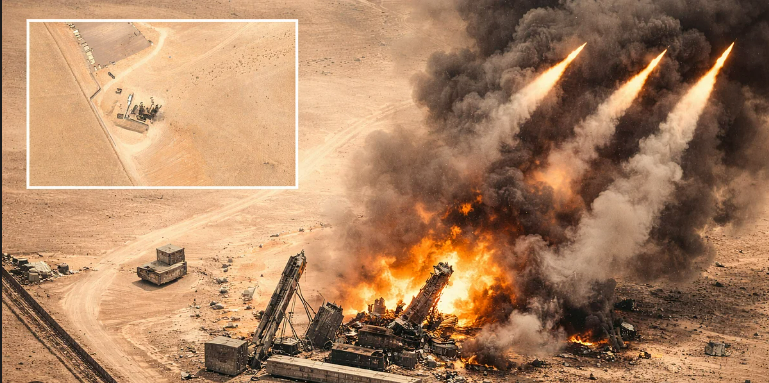
Tensions in West Asia have increased following reports of an attack targeting an oil refinery in Bahrain. According to various reports, Iran was accused of launching the strike, while air defence systems in the United Arab Emirates (UAE) reportedly intercepted several ballistic missiles and drones in the region.
The incident has raised fresh concerns about security in the Gulf region, particularly around key energy infrastructure. Oil refineries and related facilities are considered critical assets for many countries in West Asia, and any attack on them can have broader economic and geopolitical consequences.
Initial information suggests that the refinery in Bahrain experienced some damage after the strike, though authorities moved quickly to control the situation. Emergency response teams were deployed to the site to manage the impact and ensure the safety of nearby areas. Officials have not yet released detailed information about the extent of the damage, but they confirmed that safety protocols were immediately activated.
Meanwhile, defence officials in the UAE stated that their air defence systems successfully detected and intercepted several incoming missiles and drones before they could reach their intended targets. The quick response by the defence systems reportedly prevented a potentially larger security threat in the region.
Security agencies across the Gulf have reportedly increased surveillance and monitoring activities following the incident. Experts believe that the situation highlights the growing importance of advanced defence technologies in protecting vital infrastructure, especially in regions where geopolitical tensions remain high.
Analysts say that attacks on energy infrastructure can have ripple effects beyond the immediate area. The Gulf region plays a key role in global energy supply, and disruptions or threats to oil facilities often attract attention from international markets and governments.
Following the incident, several countries and international observers called for restraint and dialogue to prevent further escalation. Diplomatic efforts are often considered essential in maintaining stability in West Asia, where political and security issues frequently intersect.
Authorities in Bahrain have stated that they are reviewing security measures around major facilities and will continue to strengthen protection for important economic assets. Similarly, officials in the UAE emphasized their readiness to respond to any threats and ensure the safety of the country’s airspace.
For now, the situation remains under close watch as regional governments and international observers monitor developments. Experts believe that continued diplomatic engagement and strong security cooperation among Gulf countries will be important to maintain stability in the region.