

The controversy surrounding the alleged leak of the NEET examination paper has intensified discussions across the country about the credibility, security and transparency of India’s competitive examination system. Students, parents, education experts and political leaders have all expressed concern over the incident, which has raised questions about the effectiveness of existing safeguards in large-scale national examinations.
NEET, the National Eligibility cum Entrance Test, is one of the country’s most important entrance examinations for admission into medical courses such as MBBS and BDS. Every year, millions of students compete in the exam with hopes of securing seats in prestigious medical colleges. Because of its importance, any allegation related to paper leaks or irregularities immediately becomes a matter of national concern.
The issue recently came under discussion during a parliamentary committee meeting, where officials from the examination authority and the education ministry were questioned about the alleged leak and the ongoing investigation. Members of the committee reportedly stressed the need for urgent reforms to ensure that such incidents do not occur in the future.
Education experts believe that large-scale examinations involving millions of candidates require extremely strong security mechanisms at every stage, including question paper preparation, printing, transportation and distribution. Even a small loophole in the system can compromise the integrity of the entire examination process.
Several experts have suggested that India’s testing agencies should adopt more advanced digital technologies to strengthen security. These include encrypted question paper systems, real-time surveillance, AI-based monitoring and stronger cybersecurity measures. According to specialists, technology-driven reforms could significantly reduce the risk of paper leaks and unauthorised access.
There have also been calls for decentralised question paper models, where multiple sets of papers are prepared for different regions or states. Supporters of this idea argue that it would help contain the impact of any breach and reduce the chances of nationwide disruption.
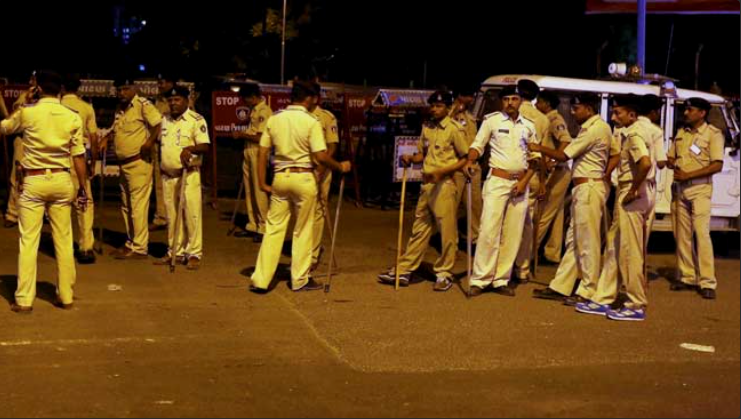
Meanwhile, investigative agencies continue to probe the case. Multiple arrests have reportedly been made in connection with the alleged leak, and authorities are examining whether there was a larger organised network involved. Investigators are also looking into the role of individuals linked to the examination process.
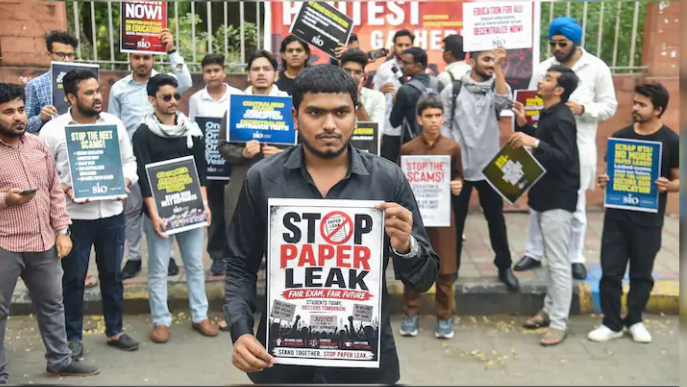
Student organisations have demanded greater transparency and accountability from examination authorities. Many students say incidents like paper leaks damage the morale of honest candidates who spend years preparing for competitive exams. Parents have also expressed concern over the mental pressure such controversies place on students.
Political reactions to the issue have continued to grow. Opposition leaders have questioned the functioning of examination authorities and demanded stricter oversight mechanisms. They argue that maintaining the credibility of national examinations is essential for preserving trust in the education system.
Experts say the controversy highlights the broader challenge of conducting fair and secure examinations in a country with a massive student population. As competition for professional courses continues to rise, ensuring the integrity of entrance exams has become increasingly important.
Administrative specialists believe examination agencies must also strengthen staffing, infrastructure and training systems. Vacant positions, inadequate monitoring and overdependence on manual processes can increase vulnerabilities in such large operations.
Government sources indicate that reforms aimed at improving exam security and operational efficiency are under consideration. These may include better coordination between agencies, stronger digital systems and enhanced monitoring of examination centres.
For now, students and parents across the country are closely watching the progress of the investigation and waiting for concrete reforms. Many believe the current controversy could become a turning point for India’s examination system and lead to long-term changes in the way national competitive exams are conducted.