

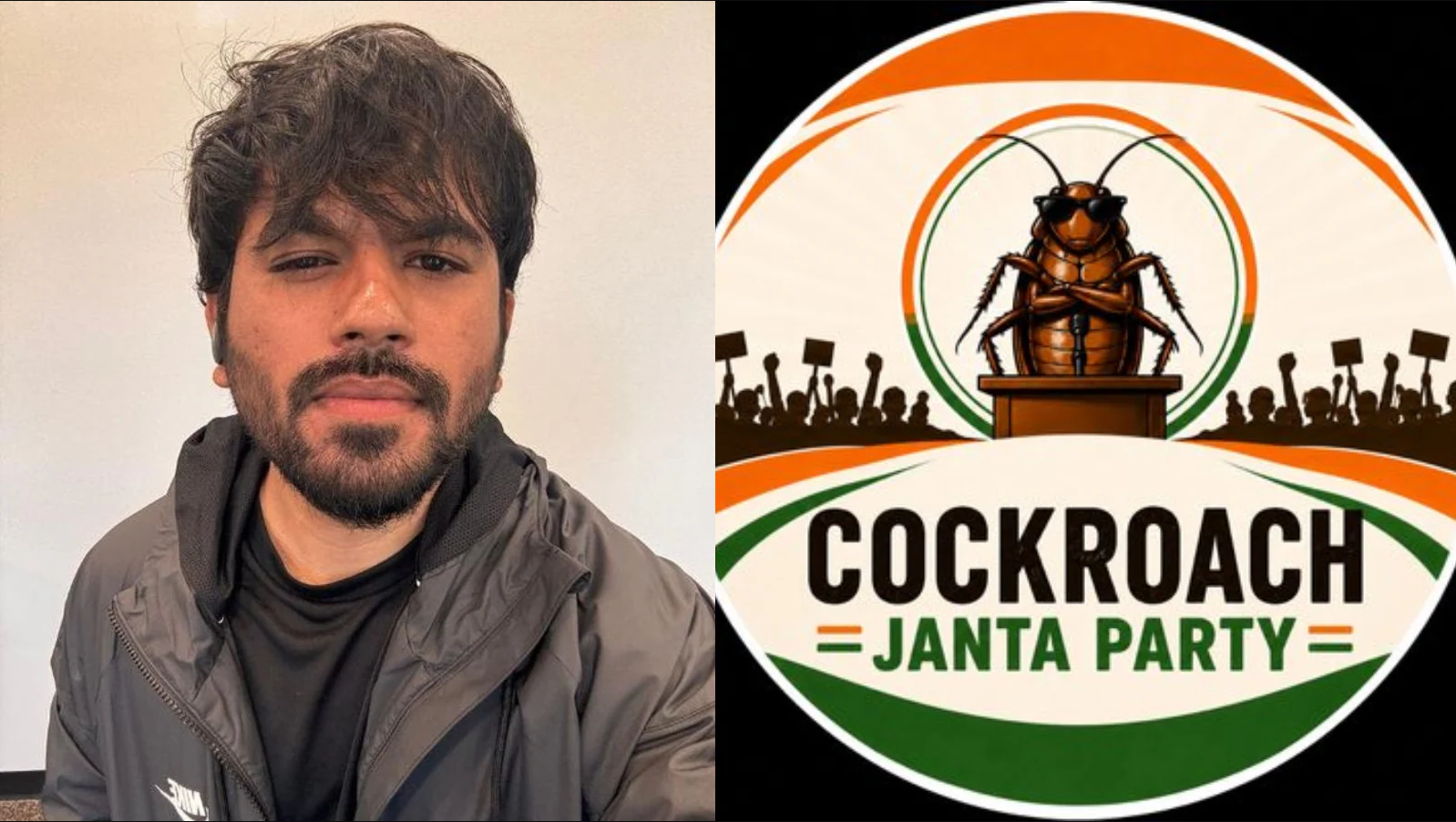
The sudden rise of the “Cockroach Janta Party” on social media has once again highlighted how digital culture is reshaping political conversations in India. What started as a satirical online campaign has rapidly transformed into a major internet phenomenon, attracting millions of followers and sparking debates about the growing influence of memes, humour and digital activism in modern public discourse.
Within days of its launch, the online platform gained massive popularity across Instagram, X and other social media networks. Internet users, especially young audiences, began widely sharing its posts, videos and satirical content. Experts believe the campaign’s rapid growth reflects the changing ways in which younger generations engage with politics and social issues online.
Unlike traditional political organisations, the Cockroach Janta Party uses humour, sarcasm and internet slang to comment on topics such as unemployment, online culture, public frustration and political narratives. Its unconventional style has helped it connect strongly with social media users who prefer informal and relatable content over traditional political messaging.
Digital media analysts say meme culture has evolved into a powerful communication tool in recent years. Memes are no longer limited to entertainment; they are increasingly being used to express opinions, critique institutions and shape public discussions. Social media platforms have made it easier for such campaigns to spread rapidly and attract nationwide attention within a short period.
Reports suggest that the initiative’s founder, Abhijeet Dipke, has a background in journalism and public relations. Observers believe his understanding of digital communication trends and online audience behaviour contributed significantly to the campaign’s viral success.
Political analysts argue that the popularity of such internet-driven movements signals a broader shift in political engagement. Younger users are now participating in discussions through memes, reels, satire and short-form content instead of relying solely on conventional political debates or news channels.
Experts note that the rise of digital satire also reflects growing frustration among sections of youth who feel disconnected from mainstream political conversations. By using humour and exaggerated online personas, such platforms often create spaces where users can discuss serious issues in a lighter and more accessible format.
However, some experts have also expressed concerns regarding the growing influence of meme-based political communication. They warn that satire and humour can sometimes blur the line between facts and entertainment, making it difficult for users to distinguish between genuine information and exaggerated content.
Media researchers believe this trend will continue to grow as internet penetration and smartphone usage expand further across India. Social media has become one of the primary sources of information and entertainment for young audiences, giving digital campaigns enormous reach and influence.
Communication experts say traditional political parties may also need to adapt to this changing landscape. Many parties have already started using memes, short videos and influencer-style communication to connect with younger voters online. The success of campaigns like the Cockroach Janta Party demonstrates how digital storytelling and humour can quickly attract public attention.
Social media users supporting the campaign say they appreciate its casual tone and relatable content. Many feel such platforms provide an outlet to discuss social and political concerns without the formal language often associated with mainstream politics.
At the same time, experts stress the importance of responsible online engagement. They argue that while satire plays an important role in democratic expression, social media users should remain cautious about misinformation and online manipulation.
The rise of the Cockroach Janta Party ultimately reflects the transformation of India’s digital public sphere. Political communication is no longer confined to rallies, speeches or television debates. In today’s internet-driven environment, memes, viral posts and satirical campaigns have become powerful tools that shape conversations and influence online culture.