

The powerful earthquakes that recently struck Venezuela have shifted global attention toward the resilience of international energy supply chains. While rescue operations remain the immediate priority in the affected areas, energy analysts say the disaster has also highlighted how natural calamities can influence crude oil transportation, shipping schedules, and fuel markets across the world, including India.
Venezuela has gradually regained importance in the global crude oil trade over the past few years. As several countries diversified their energy imports, Indian refiners also increased purchases of Venezuelan crude under evolving international trade arrangements. Any prolonged disruption to the country’s export infrastructure could therefore have wider implications for energy-importing nations.
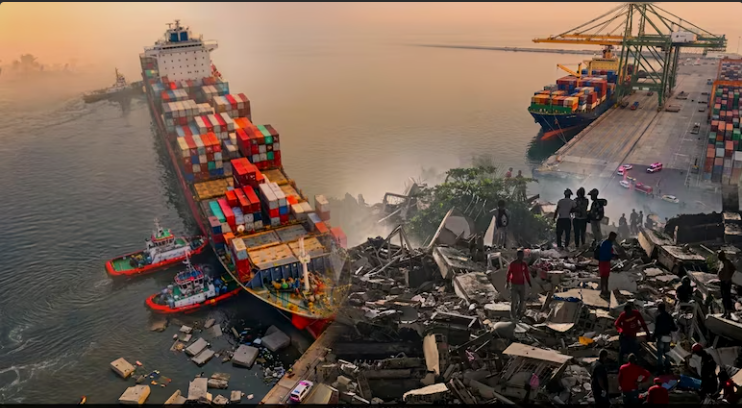
Industry observers note that the biggest concern is not only oil production but also the functioning of ports, storage facilities, pipelines, and shipping terminals. Even if oil fields remain operational, damage to transport infrastructure can slow exports, delay cargo movement, and increase freight and insurance costs for international buyers.
Experts believe the coming days will be crucial as authorities assess the condition of key energy facilities and transportation networks. If port operations return to normal quickly, the impact on global markets may remain limited. However, any extended interruption could tighten supply chains and create short-term volatility in international crude prices.
For India, the situation is being monitored carefully because the country’s energy security depends on stable imports from multiple international suppliers. Analysts say India’s diversified sourcing strategy offers a degree of protection, allowing refiners to adjust procurement plans if required. Even so, changes in global crude prices can eventually influence fuel costs and refinery operations.
The timing of the earthquake has added another layer of uncertainty to the energy market. In recent weeks, global oil traders had been closely watching geopolitical developments in West Asia, expecting improved supply conditions after signs of easing regional tensions. The developments in Venezuela have now introduced a fresh variable that could influence market sentiment.
Shipping companies are also expected to evaluate operational risks before resuming normal schedules in affected regions. Maritime experts say vessel movements, cargo handling, and insurance assessments often undergo temporary revisions after major natural disasters, especially when export infrastructure is located near impacted coastal zones.
Economic analysts emphasize that global energy markets have become increasingly interconnected, meaning disruptions in one producing nation can affect supply chains thousands of kilometers away. This interconnected system requires importing countries to continuously evaluate risks and maintain alternative procurement options to avoid supply shortages.
Officials and industry representatives have urged against speculation until detailed infrastructure assessments are completed. They point out that immediate conclusions about long-term supply disruptions would be premature, as restoration work and safety inspections are still underway in many areas.
For now, India’s oil companies are expected to continue monitoring international developments while maintaining regular import planning. Market participants believe that coordinated action by producers, shipping operators, and governments will be essential to keeping global energy supplies stable if the recovery process in Venezuela takes longer than expected.