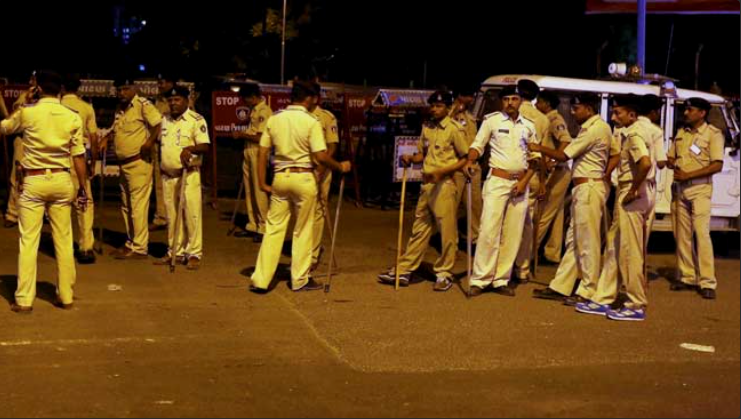



The investigation into the alleged misappropriation of donations collected at the Ram Temple has entered a more detailed phase, with authorities widening their focus beyond the initial arrests. Investigators are now examining the complete chain of donation handling, including collection, transportation, counting, storage, and bank deposits, to determine whether procedural lapses or deliberate misconduct occurred at any stage.
Officials familiar with the inquiry said the objective is not only to identify those directly involved but also to understand whether weaknesses in the management system allowed the alleged irregularities to take place. Financial records, digital evidence, and administrative documents are being reviewed as part of the ongoing investigation.
According to sources, police teams have questioned several individuals associated with the temple’s donation management process. Investigators are comparing their statements with transaction records and security logs to establish a clear timeline of events. Authorities are also reviewing CCTV footage from locations linked to the handling of donations to verify the movement of cash and personnel.
The case has drawn nationwide attention because of the enormous number of devotees who contribute offerings at the temple every day. The donations include both cash and valuable items, making strict accountability and transparent handling procedures essential. Experts say religious institutions that receive large public donations require robust monitoring systems to maintain public confidence.
Investigators are reportedly analyzing banking records to determine whether the deposited amounts matched the collections recorded during the same period. Any mismatch, if found, will be examined alongside supporting documents and witness statements before conclusions are reached. Officials have emphasized that no final findings have been made and that every aspect of the investigation is being handled according to legal procedures.
Police have also carried out searches at multiple locations connected to the accused individuals. Materials recovered during these operations are being examined for their relevance to the case. Digital devices, financial documents, and other evidence are undergoing forensic analysis to determine whether they contain information related to the alleged embezzlement.
Legal experts note that cases involving financial misconduct often require extensive examination of documentary evidence rather than relying solely on witness testimony. Auditing financial records, verifying banking transactions, and cross-checking electronic data are considered crucial before filing final charges in court.
Meanwhile, authorities have urged the public to avoid spreading unverified claims on social media. Several images and messages linked to the case have circulated online, but officials have cautioned that such material should not be treated as evidence unless it has been authenticated during the investigation. They reiterated that conclusions would be based only on legally admissible evidence collected during the probe.
The investigation has also prompted discussions on strengthening financial governance in religious institutions. Experts believe that greater use of digital tracking, automated accounting systems, independent audits, and multi-layer verification of donations could help improve transparency and reduce the risk of future disputes. While many large institutions already follow strict financial controls, the current case has renewed attention on the importance of regular oversight.
Authorities have maintained that the investigation remains ongoing and that every individual connected with the case will receive due legal process. Those arrested have the right to defend themselves before the court, while investigators continue collecting evidence from multiple sources.
As the probe progresses, officials say their priority is to establish the facts through documentary evidence, financial analysis, and forensic examination rather than speculation. The final outcome will depend on the findings of the investigation and subsequent judicial proceedings, ensuring that any action taken is supported by verifiable evidence and in accordance with the law.