


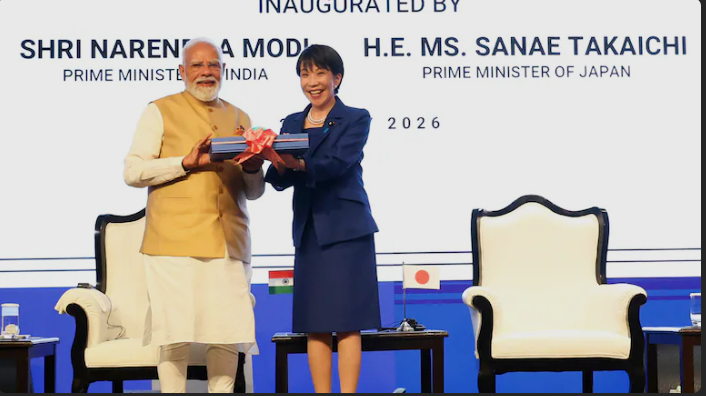
The inauguration of Maruti Suzuki’s new manufacturing facility at Kharkhoda in Haryana marks more than the launch of another automobile plant. Industry experts believe the project represents a significant step in strengthening India’s manufacturing ecosystem, supporting economic growth, and enhancing the country’s position as a global automotive production hub.
Developed with advanced manufacturing technologies, the Kharkhoda facility is expected to play a key role in meeting the growing demand for passenger vehicles in both domestic and international markets. The plant has been designed for phased expansion, allowing production capacity to increase over time as market demand grows. This approach is expected to improve operational efficiency while supporting long-term business growth.
One of the most significant impacts of the project is likely to be on the regional economy. Large automobile manufacturing units typically attract a network of supporting industries, including component suppliers, logistics providers, packaging companies, warehousing services, and engineering firms. As these businesses expand around the manufacturing hub, they contribute to the creation of an integrated industrial cluster capable of generating sustained economic activity.
Employment generation is another major advantage expected from the project. Apart from direct jobs within the manufacturing plant, thousands of indirect employment opportunities are likely to emerge in transportation, maintenance, infrastructure development, hospitality, security, and technical services. Skill development programmes linked to modern automobile manufacturing could also help prepare local youth for careers in advanced industrial sectors.
The facility has also been developed with sustainability as a key priority. Modern energy-efficient systems, renewable energy integration, and environmentally responsible manufacturing practices have been incorporated into its design. Such initiatives are becoming increasingly important as automobile manufacturers around the world work to reduce carbon emissions and improve resource efficiency throughout their production processes.
Technology is expected to play a central role in the plant’s operations. Digital production monitoring, automated quality control, intelligent manufacturing systems, and collaborative robotics are designed to improve productivity while maintaining high standards of safety and precision. These advanced technologies also allow manufacturers to respond more quickly to changing market requirements and improve overall production flexibility.
Industry analysts believe projects of this scale strengthen India’s reputation as a reliable manufacturing destination for global companies. Stable industrial policies, expanding infrastructure, a skilled workforce, and a growing domestic market continue to attract long-term investments from international manufacturers. The Kharkhoda facility reflects the increasing confidence of global companies in India’s industrial potential.
The project could also provide a boost to exports. As production capacity expands, a larger share of vehicles manufactured in India may be supplied to overseas markets. This would not only strengthen India’s automobile export performance but also enhance its role in global supply chains, where efficiency and production reliability have become increasingly important.
Infrastructure development around the region is also expected to accelerate. Improved roads, transport connectivity, logistics parks, and commercial facilities often accompany large industrial investments, creating long-term benefits for nearby communities and businesses. These developments can improve the ease of doing business while attracting additional investments across multiple sectors.
Experts believe that India’s automotive industry is entering a new phase driven by innovation, digital transformation, and sustainable manufacturing. Projects such as the Kharkhoda plant demonstrate how large-scale industrial investments can contribute to technological advancement, employment, exports, and economic development simultaneously.
As the facility gradually reaches its full production capacity, it is expected to become one of the country’s major automobile manufacturing centres, reinforcing India’s ambition to emerge as a leading global destination for advanced automotive production and industrial innovation.