

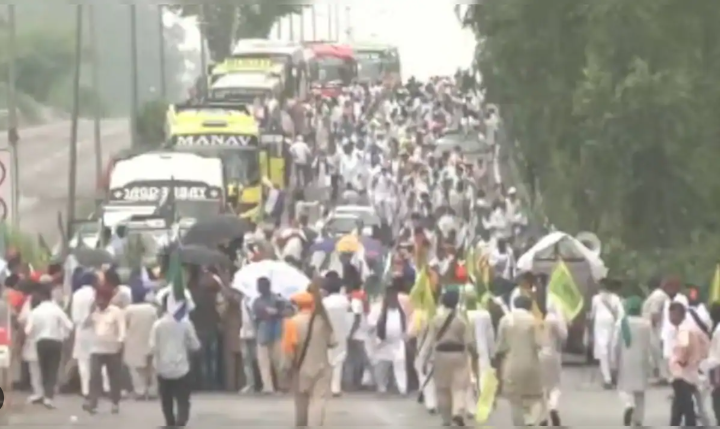
A fresh wave of farmer protests unfolded on Tuesday after groups of cultivators from Punjab were stopped at the Shambhu border while attempting to travel to Delhi for a proposed Kisan Mahapanchayat. The gathering was planned to raise concerns over the proposed India-US bilateral trade agreement and its possible impact on the country’s agricultural sector.
Unable to cross into Haryana, the farmers staged a peaceful demonstration at the border, saying they wanted to voice their concerns through democratic means.
Trade Agreement at the Centre of Protest
Farmer organisations argue that the proposed India-US trade pact could have long-term implications for Indian agriculture. According to protest leaders, sectors such as farming, dairy, food processing, agricultural trade, digital commerce and rural businesses may be affected depending on the final terms of the agreement.
They have urged the government to ensure that any international trade commitments do not weaken the position of India’s small and marginal farmers.
Demand for Greater Transparency
One of the key demands raised by farmer groups is greater transparency in the ongoing trade discussions. They have called on the Centre to publicly share details of the proposed agreement before any final decision is taken.
Farmer representatives say wider consultations with agricultural experts, dairy producers, traders and rural stakeholders would help address concerns and build confidence among those likely to be affected.
Security Tightened at Border
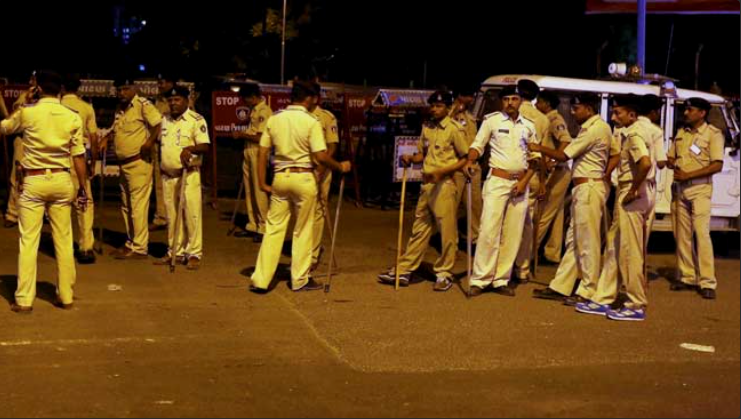
Authorities deployed security personnel and erected barricades at the Shambhu border to prevent the farmers’ convoy from entering Haryana. The border remained under close monitoring throughout the day as protesters gathered near the crossing point.
Despite being stopped, farmer leaders maintained that their protest would remain peaceful and that they would continue pressing for dialogue with the government.
Focus on Protecting Rural Livelihoods
Farmer organisations have expressed concern that increased access for imported agricultural and dairy products could create additional competition for domestic producers. They believe any policy decision should carefully consider the interests of millions of families that depend on agriculture and allied sectors for their livelihood.
They also stressed that India’s dairy industry and small-scale farming play a significant role in supporting the rural economy and should remain protected during international trade negotiations.
Dialogue Expected to Continue
The protest has once again brought agricultural policy and trade negotiations into national focus. While the government continues discussions on international economic partnerships, farmer organisations are seeking greater participation in the decision-making process.
Observers believe that constructive dialogue between policymakers and farmer representatives will be essential to balancing trade opportunities with the interests of India’s agricultural community.