

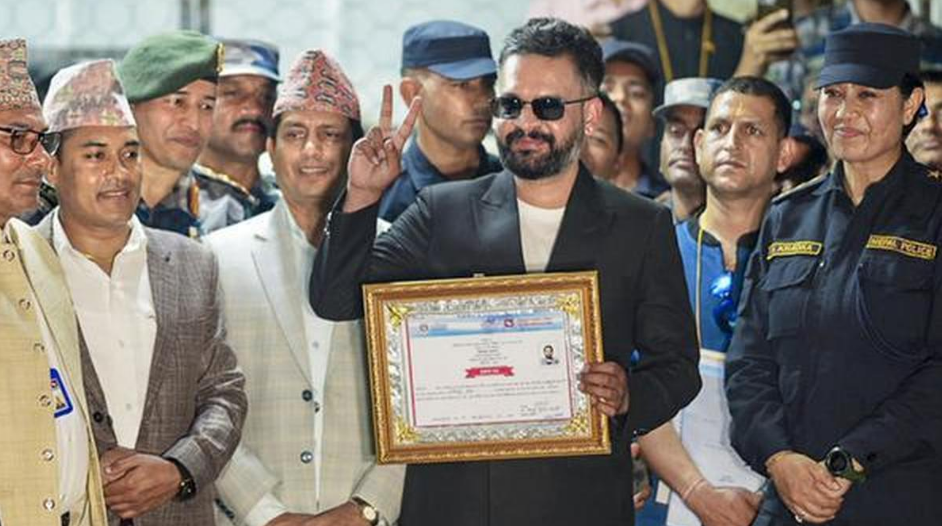
A significant political development has emerged in Nepal after the recent election results showed strong support for a relatively new political force. The Rastriya Swatantra Party (RSP), associated with popular Kathmandu mayor Balendra Shah, has achieved a remarkable performance, marking an important moment in the country’s evolving political landscape.
The election outcome has drawn attention from political analysts and observers who believe that the results reflect a growing desire among voters for change and reform. Traditionally, Nepal’s political arena has been dominated by a few major parties. However, the success of RSP indicates that voters are increasingly willing to explore alternative leadership and new political ideas.
One of the key factors behind the party’s rise is believed to be the strong support it received from young voters and urban populations. Many young people in Nepal have been calling for more transparency, accountability, and efficiency in governance. RSP’s campaign focused heavily on these themes, which resonated with a large segment of the electorate.
Political commentators note that the influence of Balendra Shah has played a major role in shaping the party’s image. As the mayor of Kathmandu, Shah gained recognition for promoting civic reforms, improving city management, and maintaining a relatively clean political image. His popularity among the youth and urban voters helped generate momentum for the party during the election campaign.
Observers say that this electoral success may signal a broader shift in Nepal’s democratic politics. Voters appear to be seeking leaders who emphasize practical governance, anti-corruption measures, and modern administrative approaches. This shift could encourage other political parties to reconsider their strategies and focus more on performance and public accountability.
The party leadership has described the election result as a reflection of the public’s trust and expectations. Leaders have stated that their primary focus will be on strengthening governance systems, promoting economic opportunities, and improving public services such as education, healthcare, and infrastructure.
Despite the positive momentum, analysts believe the new political force will also face significant challenges. Translating electoral success into effective policymaking requires careful planning, experienced leadership, and cooperation with other political groups. In parliamentary systems, collaboration often becomes necessary to pass legislation and implement reforms.
Nevertheless, the emergence of RSP as a competitive political player has generated fresh discussion about the future of Nepal’s democracy. The results suggest that the political environment is gradually opening up to new voices and alternative leadership models.
For many citizens, this moment represents hope for a more responsive and accountable governance system. Whether this momentum leads to long-term transformation will depend on how effectively the party delivers on its promises and manages the expectations of the electorate.
Overall, the recent election results highlight an important phase in Nepal’s political journey. With new political actors gaining prominence, the coming years could bring meaningful changes to the country’s governance and democratic processes.