

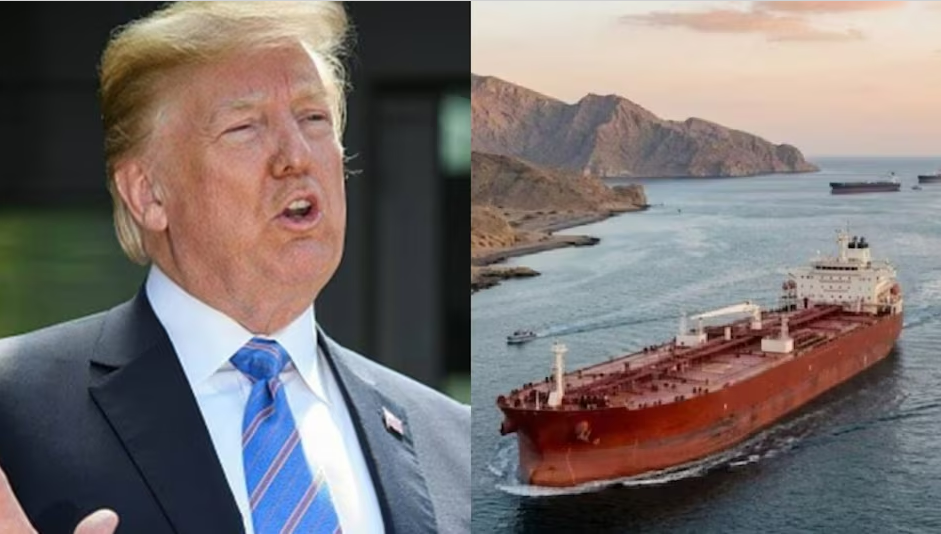
Rising tensions in the Middle East have brought renewed attention to the strategic importance of the Strait of Hormuz, a key maritime route through which a significant portion of the world’s oil supply passes. Amid concerns about possible disruptions, the United States sought support from allied nations to strengthen security in the region.
Former U.S. President Donald Trump had called on partner countries to participate in a maritime security effort aimed at protecting commercial vessels and oil tankers traveling through the Gulf. The proposal was intended to ensure safe passage for international shipping during a period of heightened geopolitical tensions.
However, several allied countries have shown reluctance to join a direct military mission in the area. Japan and Australia have indicated that they prefer to monitor the situation carefully and prioritize diplomatic efforts to reduce tensions rather than participate in a security deployment at this stage.
Officials in Japan noted that while the country is concerned about energy supply stability, it believes that dialogue and peaceful engagement remain the best path forward. Australia has also taken a cautious stance, stating that it is closely observing developments in the region before making any commitment.
Meanwhile, South Korea has taken a more balanced approach, saying it will review the proposal and assess its national interests before making a decision.
The Strait of Hormuz is considered one of the most vital shipping lanes in the world. A large share of global oil exports passes through this narrow passage, making its security critical for international energy markets.
Experts warn that any escalation of tensions in the region could disrupt global trade and affect oil prices worldwide. Because of this, many countries are adopting a cautious approach and emphasizing diplomacy over military action.
Observers say the situation highlights the complexity of international alliances and the challenge of coordinating collective security measures during regional conflicts.