

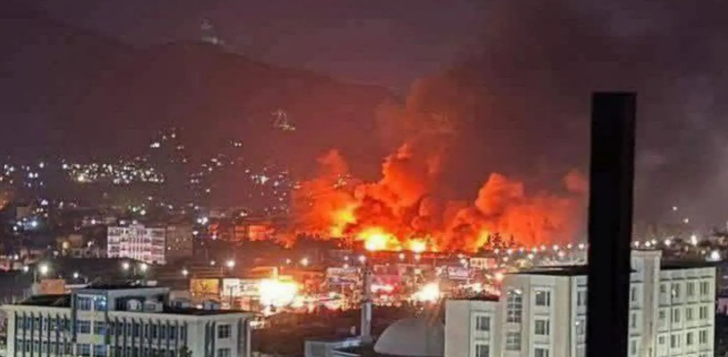
The reported airstrike on a hospital in Kabul has triggered widespread outrage and deep concern across the international community, as the humanitarian and political consequences of the incident continue to unfold. According to Afghan authorities, the strike targeted a major rehabilitation center for drug users, resulting in the deaths of at least 400 people and leaving around 250 others injured. The scale of the devastation has made it one of the deadliest incidents in recent times in the region.
Eyewitnesses described scenes of chaos and destruction as powerful explosions ripped through the facility late at night. Many patients, who were undergoing treatment, were caught off guard while sleeping. Survivors recounted how parts of the building collapsed instantly, trapping dozens under the rubble. Emergency responders worked through the night, pulling out injured victims and recovering bodies, but the rescue efforts were hampered by the extent of the damage.
Hospitals across Kabul have since been overwhelmed with the influx of injured patients. Medical staff are struggling to cope with the sudden surge, with reports of shortages in essential medicines, equipment, and personnel. Families of the victims have been seen searching desperately for missing relatives, adding to the emotional toll of the tragedy.
Afghanistan has strongly condemned the attack, calling it a “crime against humanity” and accusing Pakistan of deliberately targeting a civilian medical facility. Officials have urged the international community to intervene and ensure accountability. They argue that if verified, the attack would represent a serious violation of international humanitarian law, which strictly prohibits strikes on hospitals and civilian infrastructure.
Pakistan, however, has firmly denied the allegations. Its officials maintain that the operation was aimed solely at militant hideouts and that no civilian or medical facility was intentionally targeted. They have described the accusations as “baseless” and part of a broader misinformation campaign.
Meanwhile, tensions between the two neighboring countries have escalated sharply. Reports indicate increased military activity along the border, including troop deployments and heightened aerial surveillance. The situation has raised fears of a broader conflict, as both sides continue to exchange accusations.
Global reactions have been swift, with several countries and international organizations expressing concern over the incident. Calls for an independent and transparent investigation have grown louder, with many emphasizing the need to establish the facts and hold those responsible accountable. Human rights groups have stressed that even in conflict situations, the protection of civilians and medical facilities must remain a top priority.
The United Nations and other international bodies have also urged restraint, warning that further escalation could destabilize the already fragile region. Aid agencies have begun mobilizing resources to assist the victims, providing emergency medical support and humanitarian relief.
As the situation develops, the world is closely watching how both nations respond. The incident not only highlights the severe human cost of ongoing tensions but also underscores the urgent need for dialogue and de-escalation. Whether this crisis leads to greater international intervention or further conflict remains to be seen.