

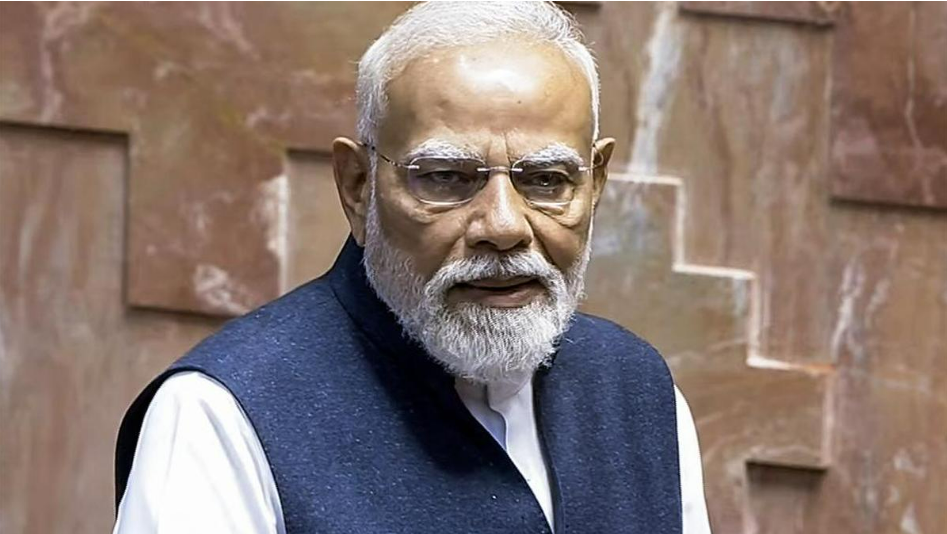
Amid rising tensions in West Asia, India has stepped up its diplomatic engagement to ensure regional stability and safeguard global trade routes. Prime Minister Narendra Modi held a crucial telephonic conversation with Iran’s President Masoud Pezeshkian, emphasizing the urgent need to maintain peace and protect maritime security in the Gulf region.
During the discussion, PM Modi highlighted the importance of “freedom of navigation” — a principle that ensures ships can move freely through international waters without obstruction. He underlined that any disruption in key shipping lanes could have serious consequences not just for the region, but for the global economy as a whole.
India, being one of the world’s largest importers of crude oil, relies heavily on the Gulf region for its energy needs. A significant portion of global oil and gas shipments passes through critical routes like the Strait of Hormuz, making stability in the region vital for countries across the world.
The Prime Minister also expressed concern over recent attacks on infrastructure in the region, noting that such incidents escalate tensions and threaten economic stability. He called for restraint from all sides and stressed that dialogue and diplomacy remain the only viable path toward long-term peace.
Officials familiar with the matter stated that India is closely monitoring developments in the region. The government is actively working on contingency plans to ensure that energy supplies remain uninterrupted, even in the event of escalating conflict.
Experts believe that India’s balanced approach reflects its broader strategic interests. On one hand, it is safeguarding its economic priorities, while on the other, it is reinforcing its role as a responsible global player advocating peace and stability.
The conversation between the two leaders also touched upon strengthening bilateral cooperation and maintaining open channels of communication during times of crisis. Both sides reportedly agreed on the importance of de-escalation and continued engagement.
India’s diplomatic outreach comes at a time when geopolitical tensions involving multiple global players have raised concerns about supply chain disruptions and rising energy prices. In such a scenario, New Delhi’s emphasis on secure and open sea lanes sends a strong signal to the international community.