

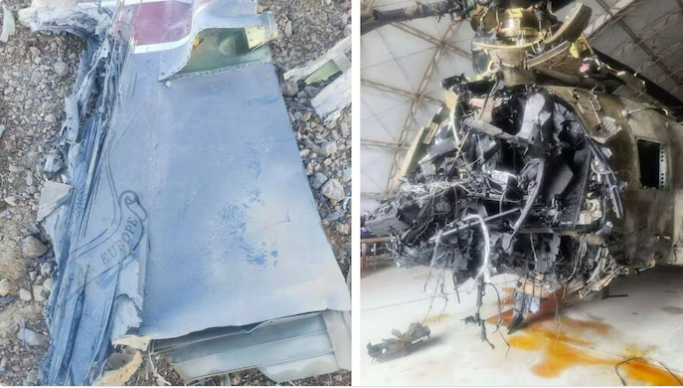
The ongoing confrontation between the United States and Iran has entered a far more volatile phase, following reports that two American fighter jets were shot down within a span of 24 hours. The incidents, coupled with attacks on military helicopters and the disappearance of a US pilot, have significantly raised concerns about the trajectory of the conflict in the Middle East.
According to defense sources, the downed aircraft were part of critical aerial operations aimed at maintaining strategic dominance in the region. Until now, the United States had projected strong confidence in its air superiority. However, these latest developments suggest that Iranian air defense systems are more capable and prepared than previously assessed.
The situation has become even more tense with the reported disappearance of an American pilot. Officials believe the pilot may have ejected safely but is currently stranded in hostile territory. A high-risk search and rescue mission is reportedly underway, involving elite units and advanced surveillance systems. Such operations are inherently dangerous and could further escalate tensions if confronted by opposing forces.
Iran, on the other hand, has framed the incidents as a significant military success. Iranian authorities claim their air defense units successfully intercepted and destroyed the incoming US aircraft, demonstrating their readiness to defend national airspace against foreign intrusion. The statement reflects a growing confidence in Iran’s defensive and retaliatory capabilities.
In addition to the downed jets, reports of attacks on Black Hawk helicopters have added another layer of complexity to the conflict. These helicopters are typically used for troop movement and special operations, and targeting them indicates a broader strategy to disrupt both aerial and ground coordination of US forces. While the extent of the damage remains unclear, the psychological and tactical impact is evident.
Global reactions to the escalation have been swift. Several countries and international organizations have urged both sides to exercise restraint and return to diplomatic dialogue. The fear is that continued military exchanges could spiral into a wider regional war, drawing in other nations and destabilizing an already fragile geopolitical environment.
Experts warn that such incidents could mark a turning point in the conflict. The loss of advanced aircraft not only affects operational capabilities but also challenges the perception of military dominance. Additionally, the ongoing search for the missing pilot could trigger further confrontations, especially if rescue teams come under fire.
Economic concerns are also beginning to surface, with analysts predicting potential disruptions in global oil supply routes if tensions continue to rise. The Middle East remains a critical hub for energy resources, and any prolonged instability could have far-reaching consequences for global markets.