

The cancellation of NEET UG 2026 following allegations of a question paper leak has triggered widespread concern among students, parents, and education experts across the country. The National Testing Agency (NTA) announced that the medical entrance examination would be conducted again on fresh dates, saying the decision was necessary to protect the integrity and credibility of the examination process.
NEET UG is one of India’s largest and most competitive entrance examinations, with lakhs of students appearing every year to secure admission into undergraduate medical courses. The sudden cancellation has left many aspirants anxious about their academic future, preparation schedules, and the uncertainty surrounding the revised examination timeline.
According to officials, investigative inputs and preliminary findings suggested that the examination process may have been compromised due to an alleged paper leak before the exam held on May 3. After reviewing the available information, authorities decided that allowing the examination results to stand could damage public trust in the national testing system.
The NTA stated that maintaining fairness and transparency in national-level examinations remains its top priority. The agency also confirmed that the matter has been referred to central investigative agencies for a detailed probe. Officials said strict action would be taken against anyone found involved in the alleged malpractice.
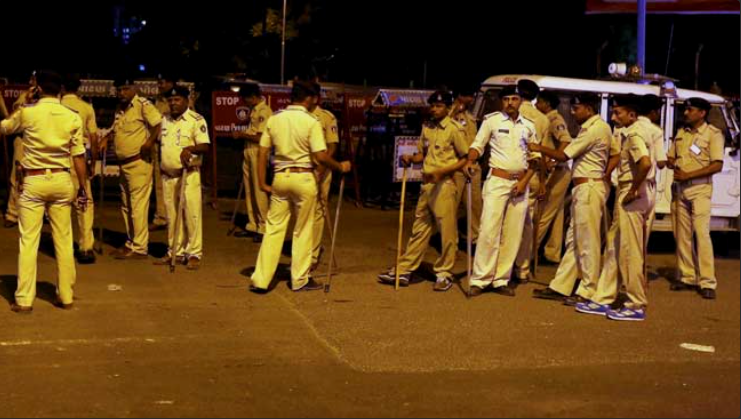
Following the announcement, protests were reported in several cities, including Delhi, Patna, Jaipur and Lucknow. Student groups demanded accountability and called for stronger safeguards to prevent future leaks. Many students expressed frustration, saying they had spent months preparing for the examination and now face additional stress because of the uncertainty.
Several candidates also raised concerns about the growing number of controversies surrounding competitive examinations in recent years. Students argued that repeated incidents of paper leaks and exam irregularities are weakening confidence in the country’s education and recruitment systems.
Education experts believe the incident highlights the urgent need for structural reforms in the examination process. They suggested stronger digital security systems, better coordination with law enforcement agencies, and stricter monitoring of examination centres. Experts also stressed the importance of protecting students from repeated disruptions that affect both mental health and academic performance.
Parents have also voiced concern over the impact of such controversies on students. Many said aspirants preparing for medical entrance examinations already face intense pressure, and repeated uncertainty only adds to emotional and psychological strain. Some parents demanded faster investigations and stricter punishment for those responsible for compromising exam security.
Political reactions have also emerged after the cancellation. Opposition parties criticised the handling of the examination process and questioned how such a major breach could occur despite existing security measures. Meanwhile, the government maintained that immediate action was taken in the interest of students and promised a transparent investigation.
The cancellation has also raised questions about the broader examination ecosystem in India. Experts say that as competition increases and technology evolves, examination authorities must modernise security protocols to prevent organised malpractice networks from exploiting weaknesses in the system.
Students are now waiting for the announcement of revised examination dates and further clarification from the authorities. Many aspirants hope the re-examination will be conducted smoothly and without controversy so that deserving candidates can compete fairly.