

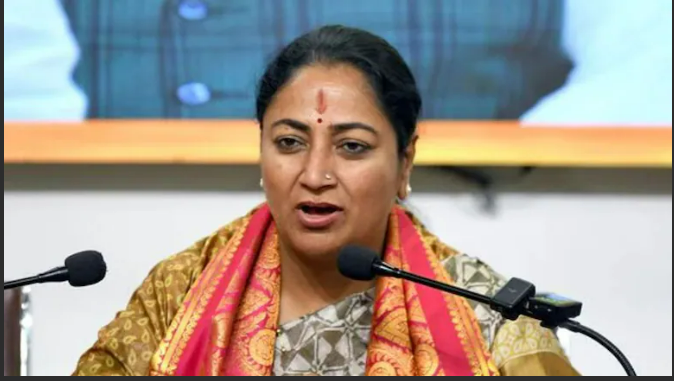
Amid rising global fuel prices and growing concerns over energy supply disruptions, the Delhi government has announced a series of measures aimed at reducing fuel consumption and promoting responsible use of public resources. Chief Minister Rekha Gupta said the government would limit the use of official vehicles by ministers, legislators, officers and departments while encouraging greater use of public transport and carpooling.
The decision comes at a time when international crude oil prices have remained volatile due to geopolitical tensions in West Asia. Experts believe that prolonged instability in the region could place additional pressure on fuel-importing countries like India, affecting inflation, transportation costs and government expenditure.
According to the Delhi government, official vehicles will now be used strictly based on necessity. Departments have been advised to minimise unnecessary travel and adopt digital alternatives such as virtual meetings and video conferencing whenever possible. Officials said the move is intended not only to save fuel but also to send a message about responsible governance during a period of global uncertainty.
Chief Minister Rekha Gupta said public participation would play a key role in reducing fuel consumption. She appealed to Delhi residents to rely more on Metro services, buses and other forms of public transportation instead of private vehicles. She also encouraged citizens to adopt carpooling wherever possible.
The government believes that reducing dependence on private vehicles can help address multiple challenges at once. Besides cutting fuel consumption, increased use of public transport could also help reduce traffic congestion and air pollution in the national capital. Delhi has long struggled with poor air quality and heavy traffic, making transport reforms an important policy priority.
Transport experts welcomed the initiative, saying it could encourage more sustainable travel habits among citizens. According to experts, Delhi already has one of the country’s largest public transport networks, including the Delhi Metro and an extensive bus system. Better utilisation of these services could significantly reduce fuel demand in the city.
Officials also indicated that government departments may introduce internal monitoring mechanisms to ensure efficient use of official vehicles. Administrative meetings that do not require physical presence are expected to shift increasingly toward digital platforms.
Economic analysts say such measures may become more common if global fuel prices continue to rise. Since India imports a major share of its crude oil requirements, any increase in international prices directly impacts domestic fuel costs and inflation. Reducing fuel consumption at both government and public levels is therefore being viewed as an important step toward managing economic pressure.
Environmental groups also supported the decision, noting that reduced use of private vehicles can contribute to lower carbon emissions and cleaner urban air. They argued that encouraging carpooling and public transport use is a practical way to balance economic concerns with environmental priorities.
Political observers described the move as both symbolic and practical. They believe the government is attempting to demonstrate that austerity measures should begin at the administrative level rather than being imposed only on the public. By including ministers and senior officials under the restrictions, the government is trying to present an image of shared responsibility during difficult global conditions.
The initiative follows broader national discussions around energy conservation and economic preparedness amid uncertainty in global energy markets. Experts believe that if the current international situation continues, governments across the country may adopt similar strategies to manage fuel consumption and reduce financial strain.