

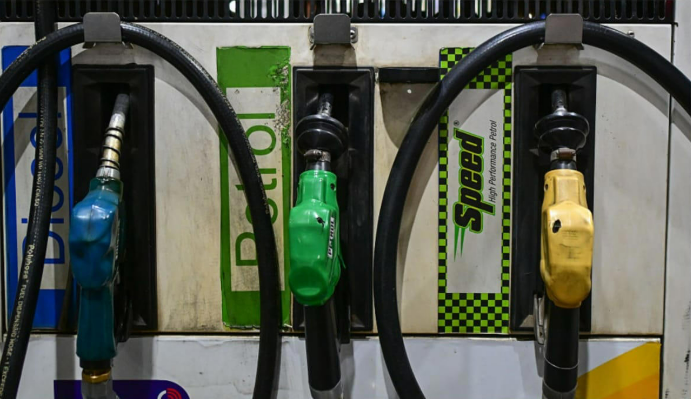
India may witness a rise in petrol and diesel prices if the ongoing crisis in the Middle East continues for a prolonged period, according to Reserve Bank of India Governor Sanjay Malhotra. His remarks have sparked discussions about the possible impact of global geopolitical tensions on India’s economy and household expenses.
Speaking at an international conference in Switzerland, the RBI Governor said India is already beginning to feel the impact of disruptions in global energy supply chains. The conflict in the Middle East and disruptions around the Strait of Hormuz have pushed oil and gas prices higher in international markets, increasing pressure on countries heavily dependent on imports.
The Strait of Hormuz is one of the world’s most critical oil transit routes. A significant portion of global crude oil shipments passes through this narrow waterway. Any disruption in the region directly affects energy prices worldwide, especially for countries like India that import a large share of their fuel requirements.
Malhotra noted that the Indian government has so far avoided increasing retail fuel prices despite rising global crude oil costs. However, he indicated that if the crisis continues for a longer duration, the government may eventually have to pass some of the increased costs on to consumers.
India relies heavily on imported crude oil, natural gas, and fertilizers. Rising import costs can widen the country’s trade deficit and increase pressure on the economy. Economists believe that prolonged high energy prices may also contribute to inflation, affecting transportation costs, food prices, and daily household expenses.
The RBI Governor highlighted that the government has maintained fiscal discipline and is working on fiscal consolidation. But he also acknowledged that continued global instability could make it difficult to shield consumers from rising fuel costs indefinitely.
Meanwhile, Prime Minister Narendra Modi has urged citizens to reduce fuel consumption and adopt energy-saving practices. The government is also encouraging measures aimed at conserving foreign exchange reserves as the country faces growing import expenses.
The Indian rupee has also come under pressure amid the global uncertainty. The currency has weakened sharply against the US dollar, making imports even more expensive. Analysts say that a weaker rupee combined with higher crude oil prices creates additional economic challenges for India.
Experts warn that any increase in petrol and diesel prices would have a ripple effect across the economy. Transportation costs could rise, leading to higher prices of goods and services. Industries dependent on fuel, including logistics and agriculture, may also face increased operational costs.
Global markets are closely monitoring developments in the Middle East, as energy prices remain highly sensitive to geopolitical tensions. If the conflict escalates further or shipping disruptions continue, crude oil prices may remain elevated for an extended period.
Economists believe India may need to balance inflation control, energy security, and fiscal management carefully in the coming months. While the government has managed to keep retail fuel prices stable so far, prolonged international instability may force difficult policy decisions.