


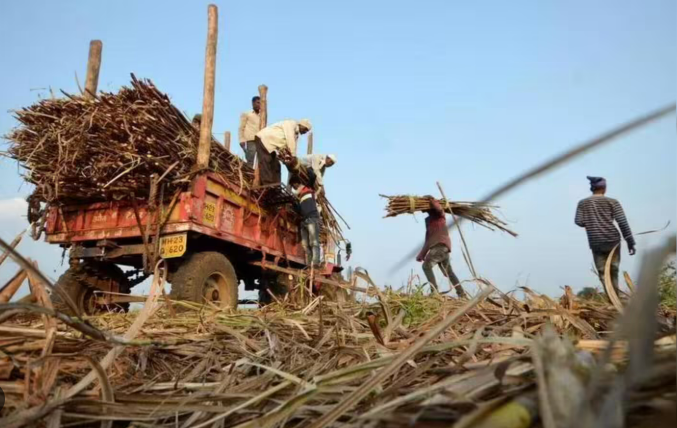
India has imposed a ban on sugar exports until September 2026 in a major policy move aimed at protecting domestic supply and preventing a rise in food prices. The decision comes amid concerns over lower production forecasts, increasing domestic demand, and uncertainty surrounding global weather and geopolitical conditions.
The notification issued by the Directorate General of Foreign Trade (DGFT) stated that exports of raw sugar, white sugar, and refined sugar have now been shifted from the “restricted” category to “prohibited.” The restriction took effect immediately and will remain in place until further orders or until September 30, 2026.
Government officials said the decision was taken after reviewing domestic stock levels and future production estimates. Experts believe the move is intended to avoid shortages in the local market and reduce the risk of inflation, especially during the coming festive and high-demand seasons.
India is one of the world’s largest sugar producers and exporters. However, current estimates suggest that sugar production during the 2025-26 season may remain lower than earlier expectations. Industry projections indicate that total production could stand at around 275 lakh tonnes, while domestic consumption is expected to reach nearly 280 lakh tonnes.
When opening stock is included, the country’s total sugar availability may reach around 325 lakh tonnes. Even then, closing stock levels could fall to nearly 45 lakh tonnes by the end of the season, one of the lowest levels recorded in recent years. Analysts say the government wants to avoid a repeat of situations where low stock levels led to price spikes in the domestic market.
Weather conditions are also contributing to concerns. Experts have warned that the possible impact of El Niño may weaken rainfall in the coming months, which could affect sugarcane cultivation in several producing states. In addition, the ongoing tensions in the Middle East have raised fears of disruptions in fertilizer supply and higher agricultural input costs.
The government clarified that shipments already in progress before the order came into effect may still be allowed. Sugar exports under special agreements or for food security purposes may also be approved on a case-by-case basis. Exports to the European Union and the United States under existing quota arrangements will continue as per previous commitments.
The decision has triggered strong reactions in global commodity markets. Following the announcement, raw sugar futures in New York rose sharply, while white sugar prices in London also recorded gains. Since India plays a major role in the international sugar trade, any restriction on exports affects global supply chains, particularly in Asian and African markets that depend on Indian sugar.
Industry representatives have expressed concern over the sudden policy shift. Several sugar mills and exporters had reportedly signed contracts with overseas buyers before the ban was announced. They now face uncertainty regarding shipments, pricing, and future business planning.
Economists, however, say the government is prioritizing food security and price stability over export earnings. Rising food inflation remains a major concern, and controlling essential commodity prices is considered important for protecting consumers.