

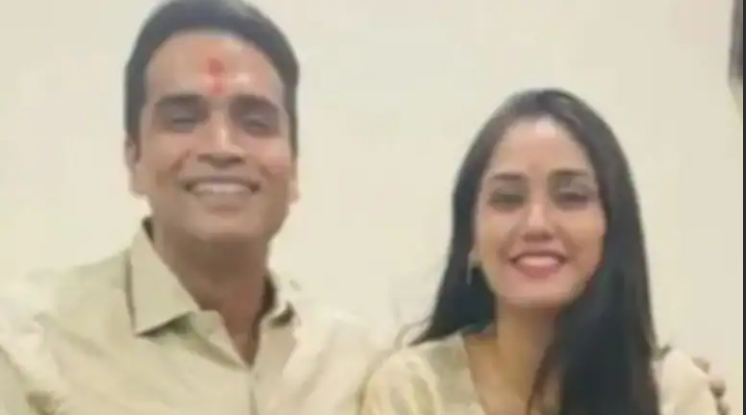
The death case of digital creator and model Twisha Sharma continues to draw nationwide attention as fresh allegations surrounding the treatment of accused Samarth Singh inside the court premises have triggered a wider debate on transparency and fairness in the justice system. The controversy has intensified public discussion around high-profile investigations, judicial accountability and the importance of equal treatment under the law.
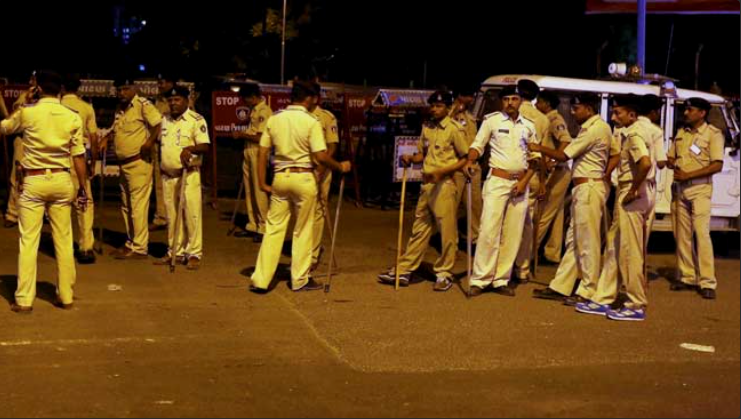
The issue gained momentum after Twisha Sharma’s family alleged that Samarth Singh received preferential treatment before being formally taken into custody. According to the family’s legal representatives, the accused was allegedly allowed to remain inside a restricted area of the court complex for a period of time while media personnel and members of the public were kept away.
Although officials have not confirmed these allegations, the claims have created strong reactions across social media and legal circles. Many people questioned whether an accused facing serious allegations should be allowed any form of special access or convenience during legal proceedings.
Twisha Sharma’s family has repeatedly stated that they want a completely fair and transparent investigation. Family members believe the case should be handled without any outside influence and have urged authorities to ensure that every aspect of the investigation remains impartial. Their statements have added emotional weight to a case that has already attracted widespread public attention.
Legal experts say that in sensitive and high-profile cases, public confidence in institutions becomes extremely important. Any perception of unequal treatment can create doubts about the fairness of the process. According to senior legal observers, maintaining transparency at every stage of the investigation is essential to preserve trust in the judicial system.
The incident has also reignited conversations around women’s safety, domestic disputes and the challenges faced by families seeking justice in emotionally charged cases. Several social groups and online communities have expressed concern over the allegations and called for a detailed and unbiased probe.
Social media platforms have played a major role in keeping the case in the public eye. Thousands of users continue to share opinions, raise questions and demand accountability. Hashtags related to justice for Twisha Sharma have frequently appeared in online discussions, with many users urging authorities to act swiftly and transparently.
At the same time, some legal commentators have cautioned against drawing conclusions before the investigation is complete. They argue that public opinion should not interfere with the legal process and that all sides must be heard fairly before any final conclusions are reached.
Police officials have stated that the investigation is ongoing and that all evidence, witness statements and digital records are being examined carefully. Authorities have assured that the case is being handled according to legal procedure and that no individual will receive unfair protection.
The case has also highlighted the growing influence of public scrutiny in modern investigations. Experts note that in today’s digital age, high-profile incidents quickly become national conversations, increasing pressure on law enforcement agencies to maintain accountability and transparency.
Twisha Sharma, known for her work in digital content creation and modeling, had built a growing online presence over the years. Her sudden death shocked many followers and members of the entertainment and social media community. Since the beginning of the investigation, public interest in the case has remained intense.
Political leaders and social activists have also reacted to the controversy, with several voices demanding that the investigation remain free from influence. Many have emphasized that equal treatment before the law is essential for maintaining public trust in democratic institutions.