

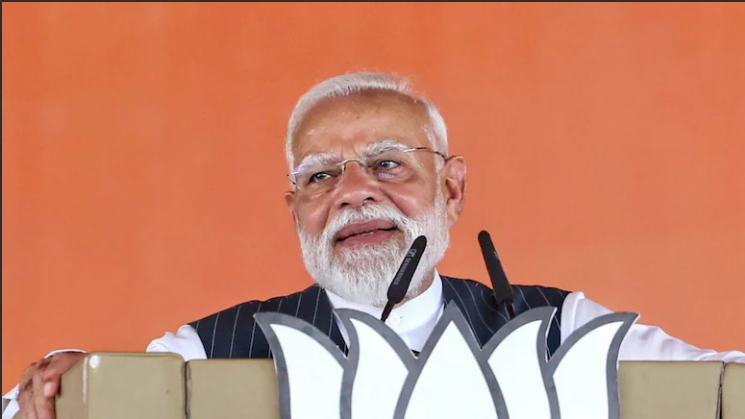
Prime Minister Narendra Modi has achieved a major milestone in India’s democratic history by becoming the country’s longest-serving elected Prime Minister. With an uninterrupted tenure of 4,399 days in office, he has surpassed the record previously held by India’s first Prime Minister, Jawaharlal Nehru, in terms of continuous service following electoral victories.
The achievement has sparked discussions across political, academic, and public circles about leadership, governance, electoral mandates, and India’s evolving political landscape. Supporters view it as a reflection of sustained public confidence, while political analysts see it as a significant moment in the history of the world’s largest democracy.
A Journey That Began in 2014
Narendra Modi first assumed office as Prime Minister in May 2014 after leading his party to a decisive victory in the general elections. He secured a second term in 2019 and returned for a third consecutive term following the 2024 general elections.
Winning three consecutive national elections is considered a rare achievement in democratic politics, particularly in a country as diverse and complex as India. Analysts note that maintaining electoral support across different regions, communities, and economic groups over such a long period requires strong organizational networks, political adaptability, and sustained voter engagement.
Over the past 12 years, Modi has remained one of the most influential figures in Indian politics, shaping policy debates and governance priorities at both national and international levels.
Focus on Infrastructure and Development
A defining feature of the Modi era has been the emphasis on infrastructure development. During his tenure, India has witnessed the expansion of highways, expressways, railway modernization projects, airports, metro networks, and logistics corridors.
Government officials have frequently highlighted infrastructure investment as a key driver of economic growth, employment generation, and regional connectivity. Improved transportation networks have also been seen as important for supporting trade, manufacturing, and tourism.
Large-scale urban development initiatives and rural infrastructure projects have aimed to improve access to essential services while strengthening economic opportunities across different parts of the country.
Digital Transformation and Technology Growth
Another major aspect of the past decade has been India’s rapid digital transformation. The expansion of digital payment systems, online public services, and technology-driven governance has significantly changed the way citizens interact with government institutions.
India has emerged as one of the world’s leading digital economies, with millions of people using digital platforms for banking, commerce, education, healthcare, and government services. The growth of the startup ecosystem and increased focus on innovation have also contributed to India’s growing reputation as a technology hub.
Experts believe that investments in digital infrastructure have played a critical role in improving efficiency, financial inclusion, and access to services, particularly in remote and underserved areas.
India’s Expanding Global Presence
Under Modi’s leadership, India has sought to strengthen its role on the global stage. The country has increased engagement with major economies, expanded strategic partnerships, and participated actively in discussions on global challenges such as climate change, energy security, technology cooperation, and international trade.
Foreign policy observers note that India’s international profile has grown considerably over the past decade. The country is increasingly viewed as an important voice in global governance and a key player in discussions about economic growth, supply chains, and regional stability.
India’s growing influence has also been supported by its economic performance, demographic strength, and expanding diplomatic outreach.
Economic Reforms and Growth Initiatives
The government has introduced a series of reforms aimed at improving ease of doing business, encouraging investment, promoting manufacturing, and supporting entrepreneurship. Programs focused on startups, digital innovation, infrastructure, and industrial development have been central to the government’s economic strategy.
While economic achievements have been highlighted by supporters, economists continue to debate challenges related to employment generation, income growth, skill development, and regional disparities. These discussions remain an important part of India’s democratic policy environment.
A Significant Democratic Milestone
Political experts describe Modi’s record as more than a personal achievement. They view it as an important chapter in India’s democratic evolution, reflecting changing voter expectations, the growing importance of leadership-driven politics, and the transformation of election campaigns through technology and communication.
At the same time, analysts emphasize that democratic success is measured not only by electoral victories but also by governance outcomes, institutional strength, and public trust.