

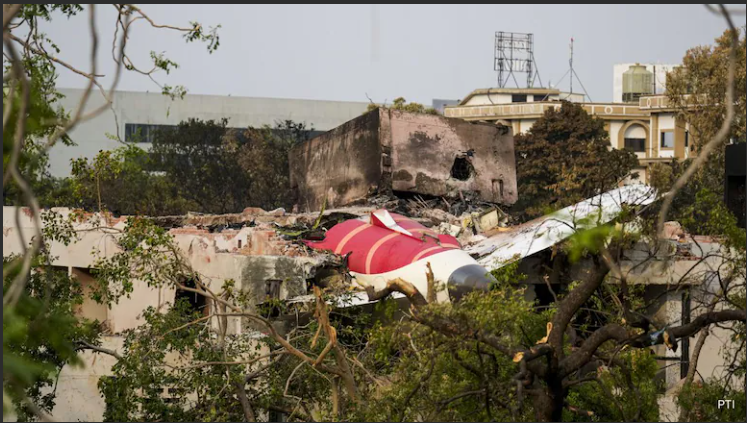
One year has passed since the tragic crash of Air India Flight AI171, an incident that shocked India and the global aviation community. The flight, travelling from Ahmedabad to London, crashed shortly after take-off on June 12, 2025, resulting in one of the deadliest aviation disasters in recent Indian history. While time has moved forward, the emotional impact of the tragedy continues to be felt by families, passengers, aviation professionals, and policymakers.
The anniversary of the accident has once again brought attention to important questions surrounding aviation safety, passenger confidence, and the continuous efforts required to maintain trust in air travel.
A Tragedy That Left a Lasting Impact
The AI171 crash not only claimed numerous lives but also deeply affected public perception of air travel. For many people, the incident served as a reminder that even with modern technology and strict regulations, aviation remains a sector where safety must always be the highest priority.
Families who lost loved ones continue to live with the pain of that day, while many travelers say the tragedy changed how they think about flying. Although air travel remains an essential part of modern life, some passengers admit that they now pay closer attention to safety procedures and aircraft information before boarding a flight.
Growing Awareness Among Passengers
Since the accident, passengers have become more aware of aviation safety issues. Frequent travelers often report checking airline records, aircraft types, and operational histories before making reservations.
Many families also say they discuss travel plans more carefully than before. While most continue to choose flights for long-distance journeys because of convenience and time savings, the memory of the accident has encouraged travelers to become more informed about the aviation industry.
Experts note that such reactions are common after major transportation accidents. Public confidence may decline temporarily, but trust is gradually restored through safe operations and transparent communication.
Trust: The Foundation of Aviation
Industry experts emphasize that aviation operates on more than engineering and technology. It relies heavily on public trust.
Every flight depends on a complex network of pilots, engineers, air traffic controllers, maintenance personnel, regulators, and airline operators working together to ensure passenger safety. When a major accident occurs, restoring confidence becomes one of the industry’s biggest challenges.
According to aviation analysts, trust is built over years through consistent safety performance but can be damaged quickly by a single catastrophic event. Rebuilding that confidence requires accountability, transparency, and a continued commitment to high operational standards.
Calls for Greater Transparency
The anniversary of the AI171 tragedy has also renewed discussions about transparency in the aviation sector. Some passengers and industry observers believe airlines should provide clearer information regarding aircraft maintenance, safety inspections, and operational standards.
Experts argue that open communication can help reassure travelers and strengthen confidence in aviation systems. They also stress that regulatory authorities and airlines must continue investing in safety oversight and technological advancements.
Improved communication during investigations and after major incidents can help the public better understand how aviation safety systems work and how risks are managed.
Aviation Professionals Remain Confident
Despite public concerns, aviation professionals continue to express confidence in the industry’s safety framework.
Pilots point out that commercial aviation remains one of the safest modes of transportation in the world. Flight crews undergo rigorous training, regular evaluations, and emergency simulations designed to prepare them for a wide range of scenarios.
Cabin crew members similarly receive extensive safety training and participate in regular refresher programs. Industry professionals emphasize that every incident is studied carefully so that lessons can be learned and safety measures strengthened.
According to aviation experts, this culture of continuous improvement is one of the reasons why global aviation safety standards have steadily advanced over the decades.
Lessons Learned from the Disaster
Major aviation accidents often lead to important changes in procedures, regulations, and operational practices. Safety investigations help identify areas where improvements can be made, contributing to safer air travel in the future.
The AI171 tragedy has reinforced the importance of robust maintenance systems, effective oversight, pilot training, and emergency preparedness. Industry leaders believe that every lesson learned from such incidents plays a role in preventing future accidents.
Experts also note that continuous investment in technology, data analysis, and predictive safety systems will be essential as global air traffic continues to grow.
Looking Ahead
One year after the AI171 crash, India’s aviation sector continues to move forward while remembering those who lost their lives. Airlines, regulators, and aviation professionals remain focused on strengthening safety measures and maintaining public confidence.
As air travel demand increases, the industry faces the challenge of balancing rapid growth with uncompromising safety standards. Experts agree that the future of aviation will depend not only on technological innovation but also on transparency, accountability, and the trust of passengers.