

Ongoing India-Nepal Railway Projects Set to Boost Trade, Tourism, and Economic Development Across the Border
India-Nepal Railway Cooperation is entering a new phase as both countries continue efforts to strengthen cross-border connectivity through major railway infrastructure projects. Recent high-level discussions between officials from India and Nepal have focused on accelerating ongoing railway developments and exploring new opportunities for deeper collaboration in the transport sector.
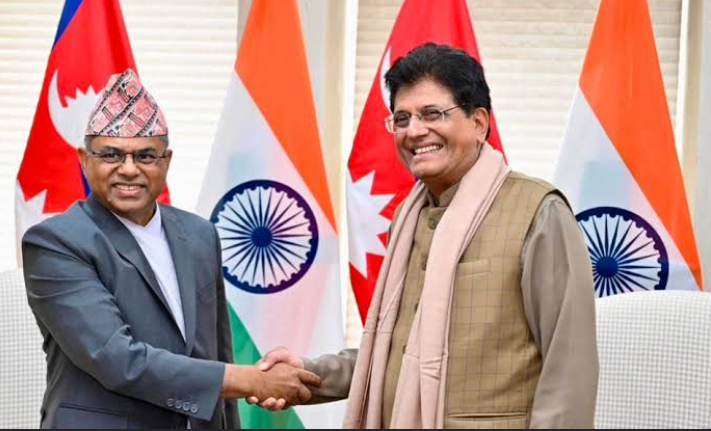
The latest round of meetings brought together representatives from both governments to review the progress of railway projects currently under construction with financial assistance from India. Officials expressed satisfaction with the pace of work while emphasizing the need for timely completion of key sections that will significantly improve movement between the two neighboring countries.
Among the most important projects under discussion are the Jaynagar-Bijalpura-Bardibas railway line and the Jogbani-Biratnagar railway connection. These projects are expected to enhance passenger travel and freight transportation while providing Nepal with improved access to India’s extensive railway network.
Experts believe that India-Nepal Railway Cooperation will play a crucial role in reducing transportation costs and increasing trade efficiency. Businesses on both sides of the border are expected to benefit from faster movement of goods, lower logistics expenses, and improved market access. As trade volumes continue to grow, railway connectivity could become a major driver of economic integration between the two countries.
The proposed Raxaul-Kathmandu railway project was another major focus of the discussions. This ambitious project aims to directly connect Nepal’s capital city with the Indian railway system. If completed, the rail link could significantly reduce travel time between Kathmandu and major Indian cities while encouraging tourism, investment, and commercial activity.
Tourism is expected to be one of the biggest beneficiaries of enhanced railway connectivity. Religious tourism, in particular, holds tremendous potential. Plans related to passenger train services connecting Janakpur and Ayodhya continue to attract attention due to the deep cultural and spiritual ties between the two locations. Improved rail access could make travel more convenient for thousands of pilgrims visiting these important religious destinations each year.
Infrastructure experts also point out that railway development can generate employment opportunities in border regions. Construction activities, station development, logistics centers, and related services can create jobs and stimulate local economies. Better transportation networks can also improve access to education, healthcare, and public services in remote areas.
Beyond economics, India-Nepal Railway Cooperation is viewed as an important strategic partnership. India and Nepal share centuries-old cultural, historical, and social connections. Improved railway infrastructure is expected to strengthen people-to-people ties while supporting broader regional integration efforts in South Asia.
Officials from both countries reaffirmed their commitment to maintaining close coordination and resolving operational challenges quickly. They also discussed technical support for future railway expansion projects within Nepal, highlighting the long-term nature of bilateral cooperation in the transport sector.
Analysts believe that successful completion of the ongoing railway projects could serve as a model for regional connectivity initiatives in South Asia. As construction progresses and new rail links become operational, India and Nepal are expected to witness stronger economic cooperation, increased tourism, and deeper people-to-people engagement.