

As Social Media Amplifies Every Performance, Questions Grow Over the Boundaries of Humor in Modern Entertainment
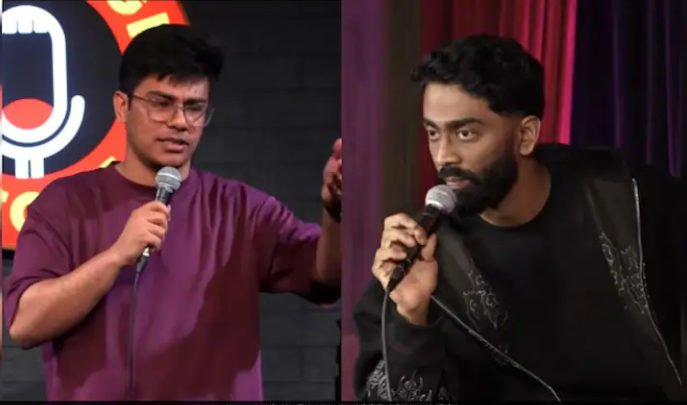
The world of stand-up comedy has found itself at the center of a growing public debate after several viral clips from comedy shows triggered widespread criticism online. What began as isolated discussions about individual performances has evolved into a larger conversation about creative freedom, social responsibility, and the role of humor in an increasingly connected digital world.
In recent weeks, multiple comedy clips have circulated widely across social media platforms, drawing mixed reactions from audiences. While some viewers defended the performances as examples of edgy or experimental humor, others argued that certain topics should be handled with greater sensitivity, especially when they involve violence, trauma, or deeply personal experiences.
The controversy has once again highlighted how dramatically the entertainment landscape has changed in the age of social media. A joke delivered before a live audience may have once remained confined to a comedy club or auditorium. Today, however, a short clip can reach millions of people within hours, exposing it to viewers from different backgrounds, cultures, and experiences.
Media analysts believe this shift has transformed audience expectations. Modern viewers are no longer passive consumers of content. Through social media, they can instantly react, criticize, support, or challenge material they find problematic. As a result, comedians and content creators often find themselves under greater scrutiny than ever before.
The debate is not simply about whether a joke is funny or offensive. It also touches on broader questions about the purpose of comedy itself. Traditionally, comedians have used humor to challenge authority, expose social contradictions, and encourage critical thinking. Many of history’s most influential comedians built careers by discussing controversial topics.
However, critics argue that there is a difference between challenging social norms and making light of issues that involve real-world suffering. Mental health experts point out that subjects connected to violence, discrimination, or trauma can have lasting effects on those who have experienced them personally. For such individuals, certain jokes may feel less like entertainment and more like a dismissal of their experiences.
At the same time, supporters of artistic freedom caution against excessive restrictions on creative expression. They argue that comedy has always relied on pushing boundaries and that audiences should be free to decide what they find acceptable. According to this perspective, public discussion and criticism are valid responses, but censorship may not be the solution.
The controversy has also sparked conversations within the comedy community itself. Some performers believe the industry should develop a stronger understanding of audience sensitivities, while others maintain that context and intent should be considered before judging a performance. The debate reflects the challenges faced by entertainers trying to balance creative risks with public expectations.
Industry observers note that the issue extends beyond comedy. Similar discussions are taking place across films, digital content, podcasts, and social media platforms. As audiences become more diverse and connected, creators are increasingly expected to consider the broader impact of their work.
Ultimately, the current debate represents a larger cultural shift. Society is reevaluating how humor interacts with responsibility, empathy, and public discourse. Whether one supports stricter standards or greater creative freedom, the discussion has made one thing clear: in today’s digital age, every joke can reach far beyond the room in which it was first told.