

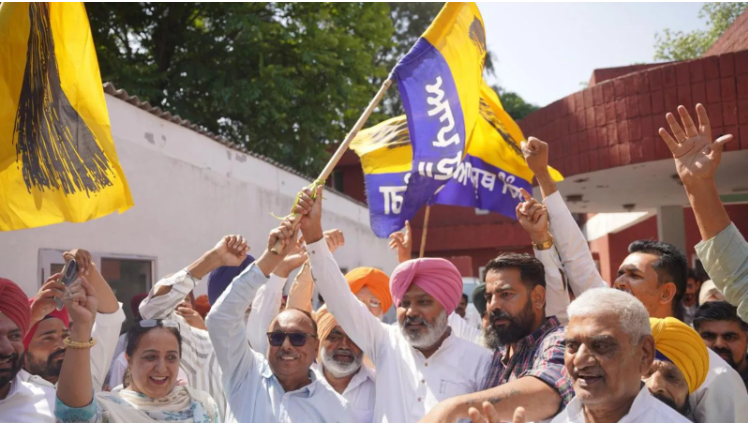
The 2026 Punjab municipal elections have emerged as more than just a contest for local governance, offering valuable insights into the changing political preferences of urban voters across the state. As the counting process continues, the results indicate that city residents are placing greater emphasis on civic development, public services, and accountable leadership rather than relying solely on traditional political loyalties.
The elections covered 102 urban local bodies, including eight municipal corporations, 75 municipal councils, and 19 nagar panchayats. Thousands of candidates from different political parties, along with independent contestants, participated in the polls, making it one of the largest local electoral exercises in Punjab in recent years.
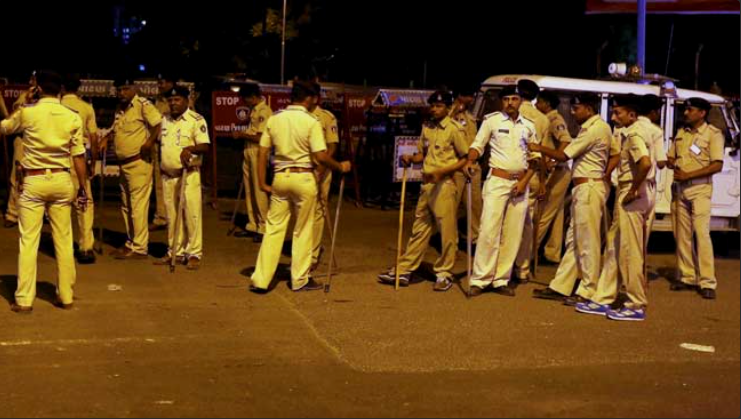
Election officials ensured that the counting process was conducted under strict security arrangements. Surveillance teams, election observers, and designated counting personnel monitored every stage of the process to maintain transparency and fairness. The peaceful conduct of polling and vote counting has been viewed as a positive sign for the state’s democratic institutions.
Political observers believe the civic poll results reflect the growing expectations of urban residents. Issues such as waste management, drinking water supply, road maintenance, traffic congestion, public transport, and digital municipal services featured prominently during the election campaign. Candidates who were seen as accessible and actively involved in solving local problems appeared to enjoy stronger public support.
Unlike previous elections, several constituencies witnessed close contests where independent candidates managed to attract considerable voter backing. Analysts say this trend suggests that local credibility and direct engagement with citizens are becoming increasingly important factors in municipal elections.
The outcome is also expected to influence the strategies of all major political parties ahead of the next Punjab Assembly elections. While the ruling party is likely to view its performance as a sign of continued public confidence in urban areas, opposition parties are expected to reassess their organisational strength and campaign approach in cities where they failed to perform as expected.
Experts point out that municipal elections often serve as a testing ground for governance models. Unlike state or national elections, local body polls focus directly on everyday civic services that affect citizens’ daily lives. As a result, elected representatives are likely to face immediate public expectations regarding sanitation, street lighting, drainage systems, public health infrastructure, and urban planning.
Urbanisation in Punjab has accelerated over the past decade, increasing pressure on municipal administrations to improve infrastructure and deliver efficient public services. The newly elected councils and corporations will now be responsible for addressing these challenges while ensuring financial discipline and effective implementation of development projects.
Political analysts also note that voter behaviour in Punjab’s cities appears to be evolving. Younger voters, professionals, and first-time electors are increasingly evaluating candidates based on governance records, transparency, and local performance rather than purely ideological or party-based considerations. This shift could significantly shape future election campaigns across the state.
Another important aspect of the elections has been the participation of women and young candidates, many of whom campaigned on issues such as environmental protection, better public spaces, improved education facilities, and technology-driven municipal governance. Their growing presence reflects changing aspirations within Punjab’s urban electorate.
With the final results expected to be completed soon, attention will now shift toward the formation of municipal administrations and the election of mayors, council presidents, and committee members. These leadership positions will play a crucial role in determining the pace and direction of urban development over the coming years.