

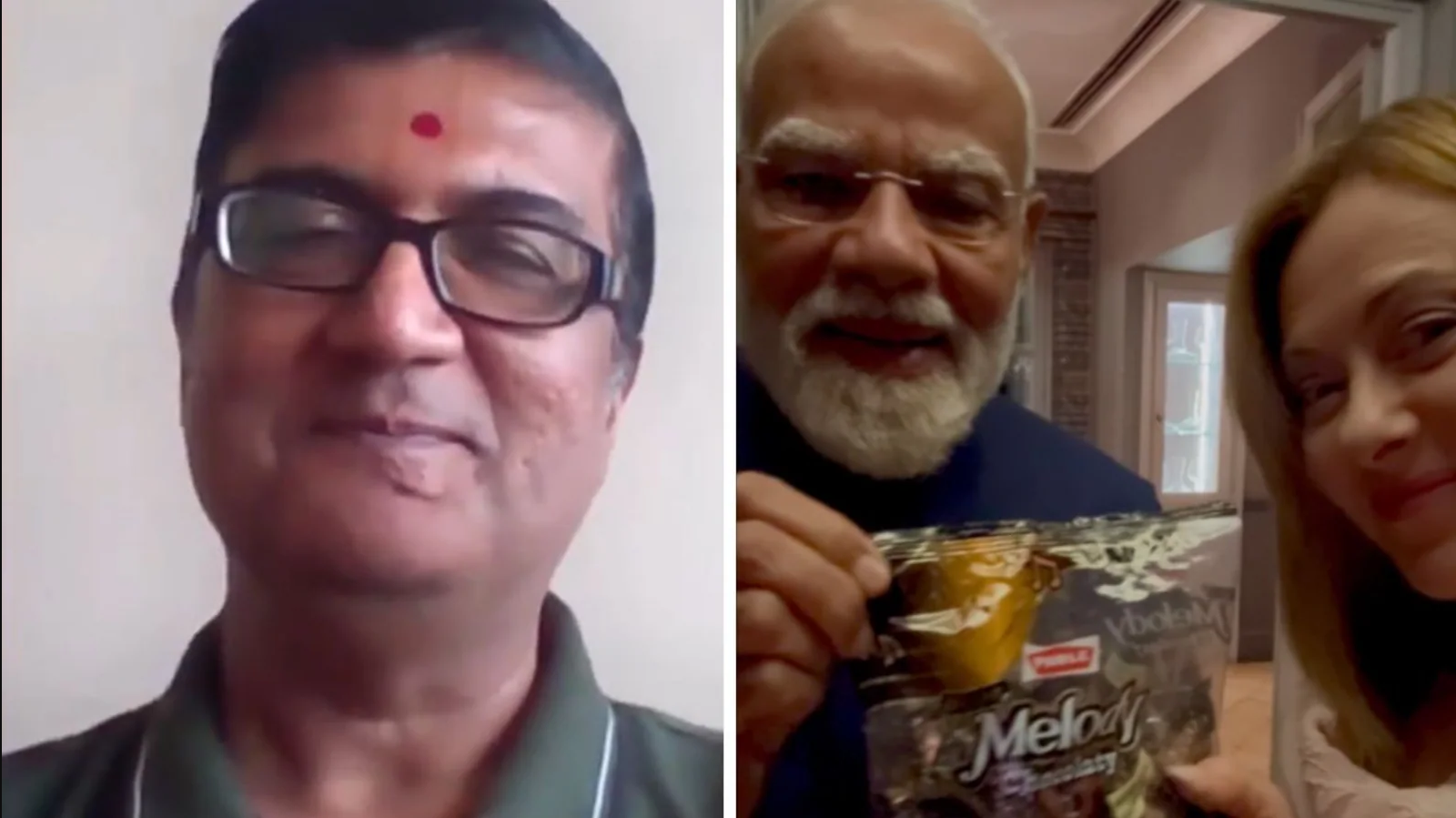
A recent viral social media moment involving an Indian candy brand has triggered widespread discussion about the growing international recognition of Indian products and the rising influence of “Made in India” brands across global markets. The incident, which quickly spread across digital platforms, highlighted how even a simple cultural exchange can create massive visibility for domestic companies.
Soon after the video gained attention online, searches for the popular Indian toffee surged across e-commerce and quick-commerce platforms. In several cities, users reported temporary shortages as demand increased sharply within hours. Social media users described the development as an example of “sweet diplomacy,” blending humour, branding and international relations.
Marketing experts believe the episode demonstrates the power of digital platforms in shaping consumer trends. In today’s online-driven environment, a short video clip or casual interaction can generate worldwide attention for a product without traditional advertising campaigns.
Industry analysts say Indian FMCG brands have steadily expanded their international footprint over the last decade. Products such as snacks, sweets, biscuits, spices and packaged foods are now widely available in overseas markets, especially in regions with large Indian communities. However, companies are increasingly targeting local consumers abroad rather than depending only on the Indian diaspora.
Experts note that the global perception of Indian brands has evolved significantly in recent years. Earlier, many domestic products were viewed primarily as low-cost alternatives. Today, Indian brands are focusing more on quality, packaging, innovation and international standards, helping them compete with multinational companies.
The rise of digital commerce has further accelerated this shift. Quick-commerce platforms, online grocery services and social media influencers have become important tools for brand visibility. Analysts say viral online trends can now directly affect sales and public interest within a very short time.
Business observers also point to the broader impact of initiatives promoting domestic manufacturing and local products. Campaigns encouraging consumers to support Indian brands have contributed to stronger trust in homegrown companies. As a result, several Indian firms are exploring aggressive global expansion strategies.
Economists believe increasing global recognition of Indian brands could benefit the country’s economy by boosting exports, encouraging manufacturing growth and creating employment opportunities. India’s FMCG sector has emerged as one of the fastest-growing segments of the economy, supported by rising domestic demand and expanding international distribution networks.
Experts also describe the incident as part of India’s growing soft power influence. Alongside yoga, Ayurveda, Indian cuisine and cinema, consumer brands are becoming another way through which India is strengthening its cultural and economic presence internationally.
Brand strategists say authenticity plays a major role in the popularity of Indian products abroad. Many international consumers are increasingly interested in unique flavours, traditional recipes and culturally rooted products, giving Indian companies an opportunity to build strong niche markets globally.
The viral online conversation also showed how humour and internet culture can influence public perception. Memes, hashtags and playful social media discussions helped amplify attention around the product, turning a small moment into a large branding opportunity.
Industry leaders believe Indian companies should now invest more in international marketing, supply chain expansion and localisation strategies to sustain global growth. Experts suggest that if Indian brands continue focusing on quality and innovation, they can become significant players in global FMCG markets.
For many observers, the recent online trend represents more than just a viral moment. It reflects the changing image of Indian businesses in the international arena and highlights the growing confidence of domestic brands on the global stage.