

The murder of a 17-year-old student in Ghaziabad and the subsequent police action against the prime accused have triggered widespread discussions about youth safety, community security, and crime prevention. While law enforcement agencies have intensified their investigation into the case, the incident has also raised broader concerns about protecting young people from violence and ensuring a safer social environment.
The case came to light after the teenager was allegedly attacked with a sharp weapon in the Khoda area of Ghaziabad. The victim suffered severe injuries and was admitted to a hospital for treatment. Despite medical efforts, he later succumbed to his injuries, leaving family members, friends, and local residents shocked and saddened.
Following the incident, police launched an extensive search operation to track down those allegedly involved. Several suspects were identified, and multiple teams were formed to carry out raids and gather evidence. The prime accused, who had reportedly been evading arrest, was later located during a police operation. According to officials, an exchange of fire took place during the attempt to apprehend him, resulting in fatal injuries to the accused. A police officer was also injured during the operation and received medical treatment.
While the police action has brought one chapter of the case to a close, investigators continue to examine the circumstances surrounding the crime. Authorities are reviewing witness statements, digital evidence, and other available information to understand the full sequence of events and determine whether additional individuals played a role in the incident.
The case has generated significant public attention, particularly among parents and educators who are concerned about the safety of teenagers and students. Many community leaders have emphasized the importance of creating environments where young people can feel secure, both in educational institutions and in their neighborhoods.
Education experts believe that schools and colleges can play a vital role in preventing violence by promoting conflict resolution, emotional well-being, and awareness programs. They argue that teaching students how to manage disagreements peacefully can help reduce the likelihood of disputes escalating into serious incidents.
Social analysts have also pointed out that youth-related violence is often influenced by a combination of personal, social, and environmental factors. Addressing these challenges requires cooperation among families, educational institutions, law enforcement agencies, and local communities. They stress that prevention efforts should focus not only on enforcing laws but also on fostering positive engagement among young people.
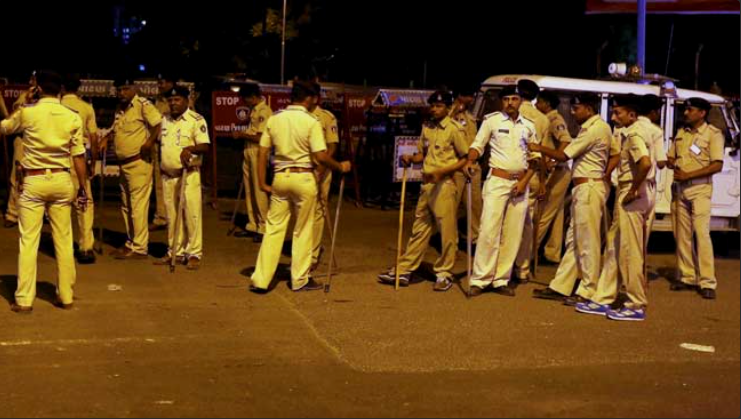
In response to public concerns, local authorities have increased security measures in the area. Police patrols have been intensified, and officials have appealed to residents to maintain peace and avoid spreading unverified information. Community outreach initiatives are also being discussed to strengthen trust between citizens and law enforcement agencies.
The tragedy has prompted renewed calls for comprehensive strategies aimed at youth protection. Residents have suggested greater surveillance in sensitive areas, stronger community policing, and awareness campaigns that encourage responsible behavior among adolescents.
As the investigation continues, authorities remain focused on ensuring that all legal procedures are followed and that every aspect of the case is thoroughly examined. For many residents, the incident serves as a reminder of the importance of vigilance, community cooperation, and timely intervention in preventing violence.