

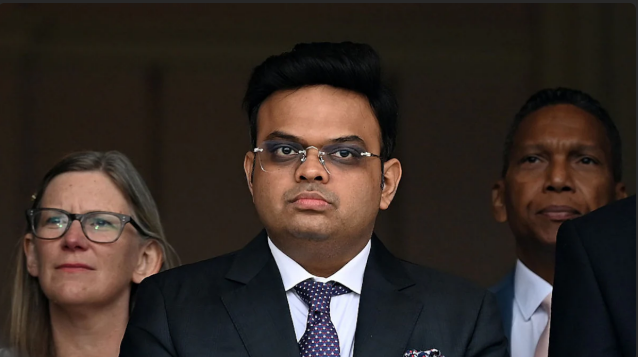
The controversy surrounding team participation before the 2026 T20 World Cup has finally received a response from International Cricket Council chairman Jay Shah. Speaking at a recent event, Shah emphasized that in international cricket, no single team is bigger than the governing body and the sport must move forward with collective responsibility.
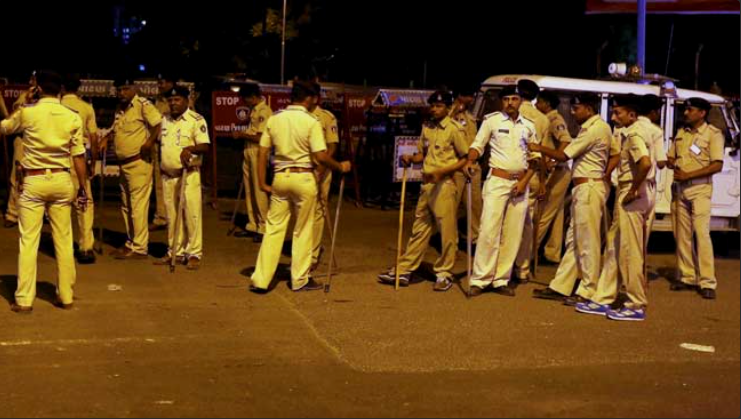
Before the tournament began, reports had emerged that the Bangladesh national cricket team had decided not to travel to India, citing security concerns. Despite assurances from the International Cricket Council, Bangladesh maintained its position and eventually had to withdraw from the tournament. As a result, the Scotland national cricket team was brought in as a replacement.
The situation created considerable uncertainty around the tournament. Adding to the tension, the Pakistan national cricket team initially threatened to boycott its group-stage match against India in solidarity with Bangladesh. However, the team later reversed its decision and went ahead with the scheduled match.
Addressing the issue during the Indian Business Leader Awards in Mumbai, Jay Shah said that there had been a lot of speculation before the tournament about whether certain teams would participate and how the event would proceed. He stressed that international cricket tournaments are built on the collective participation of all teams and not on the presence of any single nation.
According to Shah, the situation was challenging for the organisers, but the ICC remained firm in ensuring that the tournament moved forward according to its established rules and structure. He noted that the integrity of the sport and the authority of the governing body must always remain intact.
Despite the pre-tournament drama, the 2026 T20 World Cup turned out to be a major success. Shah revealed that the tournament broke several viewership records worldwide. For the first time in cricket history, around 7.2 million viewers reportedly watched matches simultaneously, setting a new benchmark for the sport’s popularity.
He also praised the performance of several associate teams that impressed fans with their competitive spirit. For instance, the United States national cricket team gave a tough challenge to India, while the Netherlands national cricket team pushed Pakistan into a difficult contest. Meanwhile, the Zimbabwe national cricket team managed a surprising victory over Australia, and the Nepal national cricket team gave England a strong scare during their match.
Shah highlighted that these performances show how rapidly cricket is growing beyond traditional powerhouses. Associate nations are improving their standards and adding excitement to global tournaments.
In his concluding remarks, Shah also had a message for the Indian team and its leadership. He noted that maintaining success at the highest level requires consistent effort. According to him, falling from the top can happen quickly, but climbing back to the top often takes years of dedication and hard work.
He further mentioned that during his time with the Board of Control for Cricket in India (BCCI), long-term plans were discussed with an eye on major international events up to the 2028 Olympics. Now, working at the ICC level, he believes teams should prepare strategically for tournaments in the coming decade, including events planned for the early 2030s.