

Large parts of India continue to struggle under an intense heatwave, with soaring temperatures affecting daily life, public health and essential services across several states. Weather experts have warned that the extreme heat conditions are likely to continue over the coming days, raising concerns about heat-related illnesses, water shortages and pressure on electricity infrastructure.
Northern, western and central regions of the country are witnessing temperatures significantly above seasonal averages. Cities across Delhi, Rajasthan, Uttar Pradesh, Haryana, Madhya Pradesh and Maharashtra have recorded daytime temperatures close to or above 45 degrees Celsius. Even nighttime temperatures remain unusually high, offering little relief to residents.
The India Meteorological Department has stated that dry winds, lack of rainfall and strong solar radiation are contributing to the prolonged heatwave conditions. Experts say the current situation is not only a seasonal phenomenon but also reflects the growing impact of climate change and rapid urbanisation.
According to climate researchers, extreme weather events such as heatwaves are becoming more frequent and severe in South Asia due to rising global temperatures. India, with its large population and expanding urban centres, remains highly vulnerable to the effects of prolonged heat stress.
One of the major concerns highlighted by experts is the “urban heat island” effect. In densely populated cities, concrete buildings, asphalt roads, vehicles and industrial activity trap heat during the day and release it slowly at night. As green spaces continue to shrink, urban temperatures remain significantly higher than nearby rural areas.
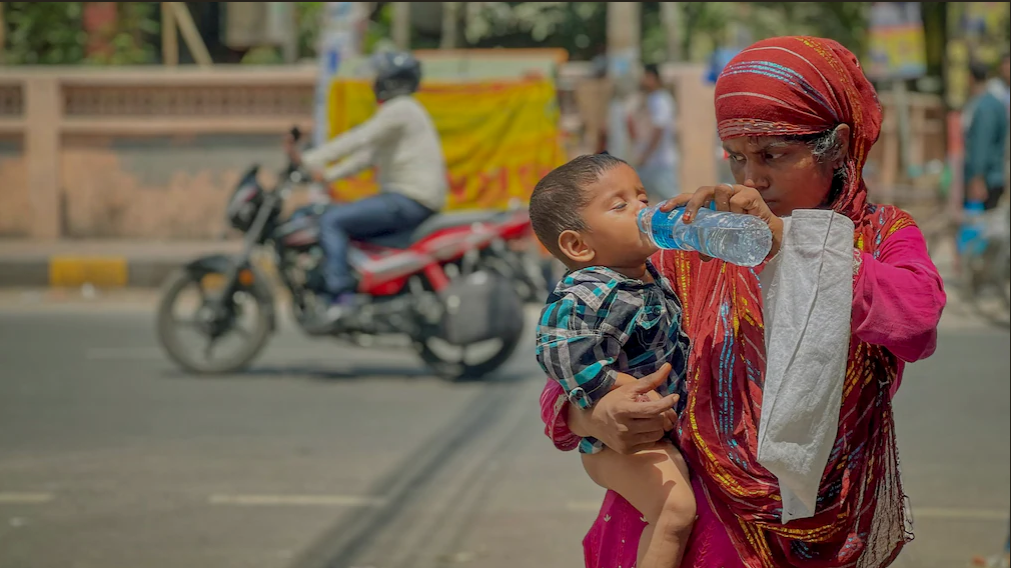
Health authorities across multiple states have issued advisories asking people to avoid direct sunlight during peak afternoon hours. Doctors have warned that prolonged exposure to high temperatures can lead to dehydration, exhaustion, heat cramps and potentially life-threatening heatstroke.
Hospitals in several cities have reported a rise in heat-related medical cases. Elderly people, children, outdoor labourers and individuals with existing medical conditions are considered especially vulnerable during extreme heat conditions. Emergency medical teams and ambulance services have been placed on alert in some regions.
The heatwave is also impacting agriculture and water resources. Agricultural experts fear that excessive heat could damage crops and reduce productivity in several farming regions. Increased evaporation and higher water demand are also creating pressure on reservoirs, groundwater supplies and irrigation systems.
Electricity demand has surged sharply as households and businesses rely heavily on air conditioners, coolers and fans. Several states have recorded peak power consumption levels in recent days. Energy departments are closely monitoring supply systems to avoid large-scale outages during the extreme weather period.
Economists and environmental experts believe climate adaptation measures are becoming increasingly important for India. Suggestions include expanding green cover in cities, improving water conservation systems, promoting climate-resilient infrastructure and strengthening public awareness about heat safety.
Urban planners have also stressed the need for sustainable city development. Experts argue that increasing tree plantations, creating shaded public spaces and improving building designs could help reduce urban temperatures in the long term.
Authorities have advised citizens to drink sufficient water, wear light clothing and avoid unnecessary outdoor activities during the hottest parts of the day. Several schools in heat-affected regions have reportedly adjusted timings or introduced precautionary measures for students.
Meanwhile, many people across the country are hoping for early monsoon showers to provide relief from the oppressive heat. Weather officials say local thunderstorms and western disturbances may bring temporary respite to some regions, but high temperatures are expected to persist in many areas for now.