

The investigation into the deadly Red Fort car blast has revealed a deeply organised network that allegedly used digital platforms, fake identities, and homemade chemical experiments to plan the attack. According to findings by National Investigation Agency, the accused had spent months researching explosive materials and secretly setting up a small laboratory inside a residential apartment in Haryana.
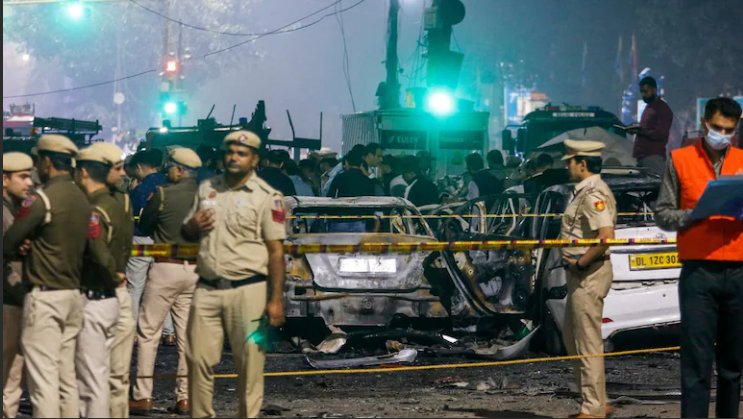
The blast, which took place near the Red Fort area in Delhi on November 10 last year, killed at least 11 people and injured several others. The incident triggered a massive security response across the national capital and led to one of the most extensive terror investigations in recent years.
Investigators say the main accused, Dr Umar Un Nabi, had carefully planned the operation by collecting information from online sources, technical manuals, and digital forums. He reportedly studied methods of preparing explosive compounds and experimented with chemicals inside his flat near Al Falah University in Faridabad.
According to officials, Umar created a makeshift laboratory where he attempted to manufacture explosive compounds using electrolysis methods. The probe found that he purchased specialised equipment, including MMO-coated titanium anodes, which are commonly used in advanced electrochemical processes.
One of the major breakthroughs in the case came from a delivery record linked to a trader in Mumbai. The document showed the purchase of technical equipment under a fake identity. Investigators allege that Umar operated under the false name “Rahul Bhat” and used the identity to create online accounts on commercial platforms for purchasing chemicals and equipment.
The accused allegedly ordered items such as solvents, fertiliser-related materials, chemical compounds, and electronic equipment through online marketplaces. Payments were made through digital transactions to avoid direct suspicion, and parcels were delivered to locations near his residence.
The NIA believes the operation reflected a new pattern in terror activities where individuals use ordinary digital services and e-commerce systems to quietly build dangerous networks. Officials say the accused attempted to avoid detection by spreading purchases across different suppliers and locations.
Investigators also uncovered evidence suggesting that Umar and co-accused Dr Muzammil Shakeel travelled to Ahmedabad in Gujarat to procure additional chemicals needed for explosive production. Security agencies are examining whether the duo had wider logistical support or links with larger extremist groups.
During searches, officials recovered digital material, including radical literature, documents related to bomb-making, and encrypted communications from electronic devices linked to the accused. Authorities claim these materials indicate ideological radicalisation and technical preparation over an extended period.
The investigation has also linked the alleged module to Ansar Ghazwat-ul-Hind, an extremist outfit believed to have connections with Al-Qaeda-linked networks in the region. Security agencies are now trying to determine whether the group was planning additional attacks or recruiting more individuals through online channels.
Experts believe the case highlights how modern terror operations are increasingly relying on technology, digital anonymity, and commercially available materials instead of traditional organised networks. The ability to access technical information online and purchase equipment through regular e-commerce platforms has created new challenges for intelligence agencies.
Security analysts say the case underlines the importance of stronger cyber monitoring, tighter tracking of suspicious online purchases, and improved coordination between digital platforms and law enforcement agencies.