

The discussion surrounding the proposed legislation for the Takht Sri Hazur Sahib Board has evolved into a broader conversation about community participation in the governance of religious institutions. As the Maharashtra government prepares to consult Sikh organisations, scholars, and stakeholders before finalising the proposed law, many observers believe the process could shape the future of collaborative decision-making on matters linked to faith-based institutions.
The proposed bill seeks to establish a revised administrative framework for the management of Takht Sri Hazur Sahib, one of the most sacred sites in Sikhism. While the proposal has generated diverse opinions, the government’s decision to engage in wider consultations has been viewed as an effort to encourage dialogue before moving ahead with legislative action.
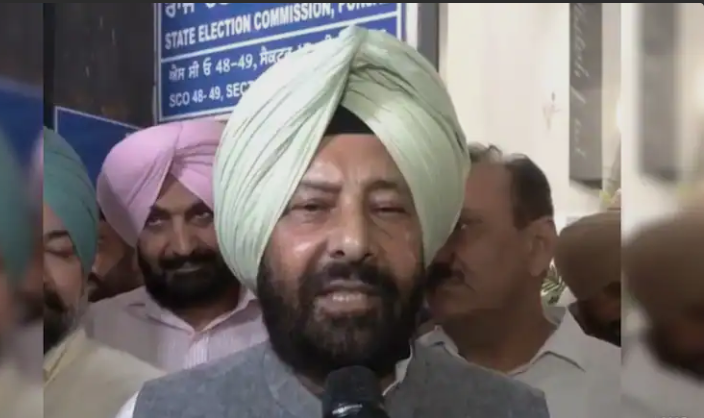
Punjab BJP President Kewal Singh Dhillon has expressed appreciation for the consultation process, stating that meaningful discussions with religious authorities and community representatives are essential whenever decisions affect institutions of deep spiritual significance. According to him, involving stakeholders from the beginning can help build trust and reduce misunderstandings.
The issue has also attracted responses from leaders belonging to different political parties, reflecting the broad importance of Takht Sri Hazur Sahib within the Sikh community. Many leaders have stressed that any administrative reform should safeguard the shrine’s traditions, historical identity, and religious values while ensuring efficient management for the benefit of devotees.
Constitutional experts point out that consultation is an important element of democratic governance, particularly when legislation involves institutions that hold cultural and religious importance. Open discussions allow governments to receive practical suggestions, address concerns early, and create policies that are more balanced and widely accepted.
Takht Sri Hazur Sahib occupies a unique place in Sikh history and attracts pilgrims from across India and around the world throughout the year. Beyond being a place of worship, it represents centuries of religious heritage and spiritual tradition. Because of its significance, any proposal concerning its administration naturally receives close attention from the global Sikh community.
Policy analysts believe the ongoing consultation process presents an opportunity to strengthen communication between public authorities and religious organisations. They argue that transparent engagement can improve confidence in public institutions while ensuring that reforms are introduced with sensitivity and respect for established traditions.
Among the issues likely to be discussed during stakeholder meetings are governance practices, accountability, preservation of religious customs, financial transparency, and facilities for pilgrims. Community representatives are also expected to share recommendations on maintaining the shrine’s autonomy while adopting administrative measures that improve efficiency and service delivery.
Observers say the Maharashtra government’s approach reflects an understanding that legislation involving religious institutions requires careful consideration beyond legal and administrative aspects. Cultural heritage, historical practices, and community sentiment often play an equally important role in shaping durable public policy.
The consultation process is also expected to encourage constructive dialogue among different sections of society. Rather than focusing only on differences of opinion, participants may explore solutions that protect religious traditions while addressing contemporary administrative needs.
As discussions continue, the final shape of the proposed legislation will be closely watched by religious leaders, legal experts, and members of the Sikh community. If the government successfully incorporates stakeholder feedback into the bill, it could strengthen confidence in the legislative process and demonstrate how consensus-based policymaking can support both effective governance and respect for religious heritage. The outcome may also serve as a useful example for handling similar issues involving faith-based institutions in the future.