

A devastating bus accident on the Delhi-Mumbai Expressway in Rajasthan has once again drawn attention to the challenges of ensuring passenger safety on India’s expanding network of high-speed highways. The collision, which claimed seven lives and left 22 others injured, has prompted authorities to launch a detailed investigation while transportation experts are calling for stricter safety standards for long-distance buses.
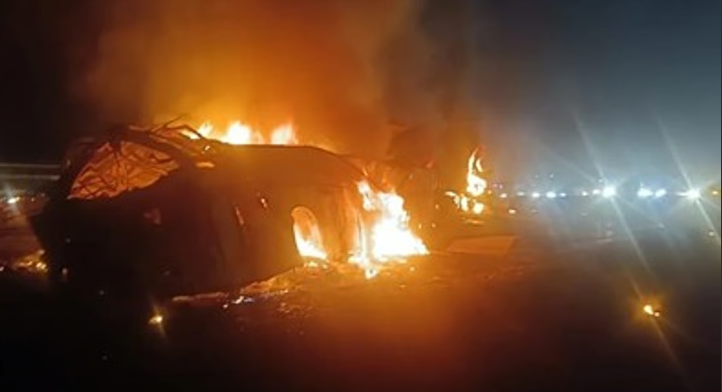
The sleeper coach was travelling from Rishikesh in Uttarakhand to Indore in Madhya Pradesh during the early hours of the morning when it collided with a trailer on the expressway near Dausa. Moments after the impact, both vehicles caught fire, creating a dangerous situation for passengers who were asleep inside the bus.
According to officials, emergency calls were made immediately after the crash, and rescue teams from the police, fire department, and local administration rushed to the site. Before professional rescuers arrived, nearby residents reportedly began helping passengers escape by breaking windows and guiding survivors away from the burning vehicle. Their quick response is believed to have helped save several lives.
Medical teams shifted the injured to Dausa District Hospital, where doctors provided emergency treatment. Hospital authorities stated that many of the injured suffered burns, fractures, and impact-related injuries. Women and children were among those receiving medical care. Officials are continuing to monitor patients whose condition remains critical.
Investigators are examining several possible factors that may have contributed to the accident. Vehicle speed, driver fatigue, road visibility, and the mechanical condition of both vehicles are all being reviewed. Authorities have stressed that the exact cause will only be confirmed after forensic experts complete their technical analysis and examine evidence collected from the crash site.
As part of the investigation, officials are also reviewing whether the bus complied with mandatory transport safety regulations. This includes checking maintenance records, emergency exits, fire safety equipment, and driver duty schedules. Transport authorities believe these findings could help identify improvements needed to reduce the risk of similar tragedies in the future.
Road safety specialists say that while India’s expressway network has significantly reduced travel time, higher driving speeds also demand stronger enforcement of safety protocols. They recommend more frequent inspections of commercial passenger vehicles, mandatory rest periods for drivers on long-distance routes, and better emergency preparedness for transport operators.
The accident has also highlighted the importance of passenger awareness. Safety experts believe travelers should familiarize themselves with emergency exits and evacuation procedures before beginning long-distance journeys. Even a few seconds of preparedness can make a significant difference during emergencies involving fire or major collisions.
Authorities are expected to interview survivors, examine CCTV footage from nearby highway surveillance systems, and collect statements from witnesses as part of the ongoing inquiry. The findings will help determine whether the accident resulted from human error, mechanical failure, or a combination of multiple factors.
Government officials have assured that a transparent investigation will be conducted and that appropriate action will be taken if any negligence is established. At the same time, they have urged the public to avoid speculation until the inquiry is completed.
The Dausa tragedy serves as another reminder that modern highways require equally modern safety practices. Along with better road infrastructure, continuous vehicle inspections, responsible driving, effective emergency response systems, and strict compliance with transport regulations remain essential for protecting passengers and preventing similar accidents in the future.