

New Delhi, July 6, 2026: The removal of the film Satluj from an OTT platform has triggered a wider discussion about digital content regulation, creative freedom, and the challenges of presenting sensitive historical events through cinema. While the movie was made available for streaming only recently, it was withdrawn from the platform in India shortly afterward, bringing renewed attention to how online content is reviewed when it involves issues of public sensitivity.
According to sources, concerns were raised that certain portions of the film could potentially be interpreted or used in ways that might not align with national interests. Following an internal review, the platform decided to make the movie unavailable in India until further notice. However, no detailed public explanation has been issued regarding the specific scenes or content that led to the decision.
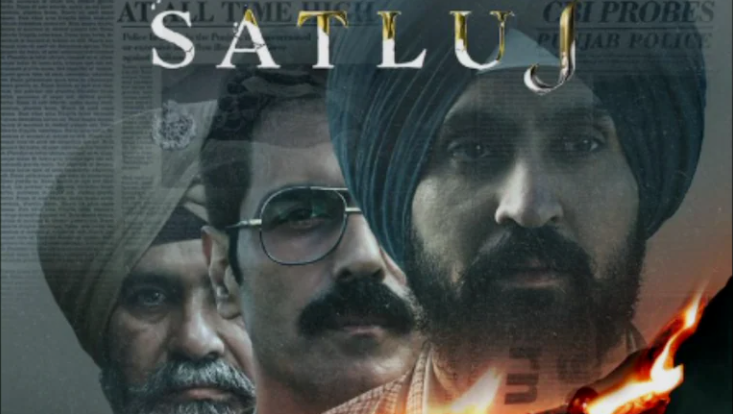
The film, originally produced under the title Punjab 95, had already experienced a long journey before reaching audiences. It reportedly remained unreleased for several years after facing certification-related challenges for a theatrical release. Eventually, the makers opted for an OTT release under the new title Satluj, believing that the digital platform would allow the story to reach viewers.
The development has once again highlighted the difference between theatrical films and OTT content in India. Movies released in cinemas require certification before public exhibition, whereas streaming platforms operate under a self-regulatory framework supported by existing information technology rules. Although OTT platforms enjoy greater creative flexibility, they are also expected to ensure that their content complies with legal provisions and does not create unnecessary public controversy.
The streaming platform has expressed support for the filmmakers and stated that it values meaningful storytelling. In its official statement, the company said it remains committed to exploring appropriate legal and regulatory avenues to restore the film for viewers. The platform also reaffirmed its belief in presenting authentic narratives while complying with applicable guidelines.
Actor Diljit Dosanjh, who plays the lead role in the film, responded through social media following the removal. Without directly addressing the review process, he shared messages indicating his continued support for the project and the story it seeks to tell. His posts quickly attracted widespread public attention, with supporters and critics expressing differing opinions across social media platforms.
The controversy has also drawn political reactions. Some public representatives argued that films based on historical events should be available for public discussion, while others maintained that content dealing with sensitive subjects must be handled responsibly to prevent misunderstanding or misuse. The differing viewpoints have further intensified the debate surrounding artistic expression and public accountability.
Satluj is inspired by the life and work of human rights activist Jaswant Singh Khalra, whose efforts to document alleged human rights violations in Punjab during the late 1980s and early 1990s became widely known. The film attempts to portray the challenges faced during that period through a dramatized narrative based on historical events.
Industry observers believe the incident could influence how future filmmakers approach politically and historically sensitive subjects for digital platforms. Production houses may become more cautious during script development and legal review, while OTT services could strengthen their internal evaluation processes before releasing similar content.
For now, Satluj remains unavailable to audiences in India. Whether the film returns to streaming after further review remains uncertain, but the controversy has already become a significant case in the ongoing conversation about balancing creative expression, historical storytelling, and responsible digital content management.