

Amid the growing conversation around content-driven films, Aditya Dhar brings a distinctive narrative approach in Dhurandhar 2: The Revenge, where real-life events serve as the backdrop for a fictional yet gripping story. The film reflects a broader shift in cinema, where audiences are increasingly drawn to stories that feel rooted in reality.
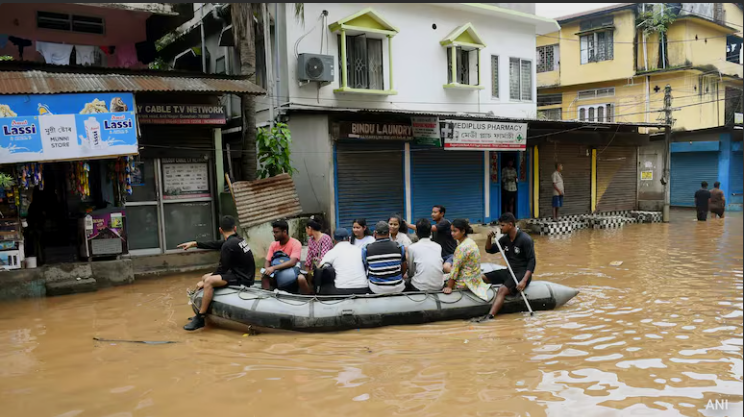
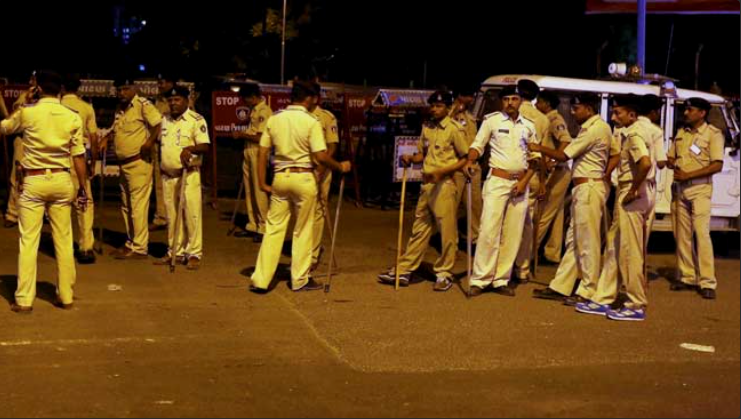
At the center of the narrative is the character Hamza, whose journey unfolds against the backdrop of major socio-political developments in recent Indian history. Elements inspired by events such as demonetisation, law enforcement operations, and shifting societal dynamics are woven into the storyline, giving it a sense of authenticity without making it a factual retelling.
A Clear Line Between Fact and Fiction
One of the most notable aspects of the film is its detailed disclaimer at the beginning. It clearly states that the film is not a documentary and should not be interpreted as an accurate representation of real events. Characters, institutions, and incidents have been fictionalised and dramatised purely for cinematic purposes.
This approach helps set the right expectations for the audience, ensuring that the narrative is appreciated as a creative interpretation rather than a historical account.
A New-Age Storytelling Technique
By integrating real-world references into a fictional framework, Aditya Dhar taps into a storytelling style that resonates strongly with contemporary viewers. It allows the audience to connect with the narrative on a deeper level, as it mirrors situations and events they are already familiar with.
Film analysts believe that this blend of realism and imagination not only enhances engagement but also adds layers to character development, particularly in the case of Hamza, whose world feels both relatable and cinematic.
Balancing Creativity and Responsibility
While this method of storytelling offers creative freedom, it also comes with challenges. Filmmakers must strike a careful balance to avoid misinterpretation or unintended associations with real individuals or events. The disclaimer, therefore, plays a crucial role in maintaining this balance.